La Bandida
1963
No user ratings available yet
Representation score: 4.0 out of 10
Representation Score
Limited
1962
Director
Ramón Pereda
Runtime
83 minutes
Average Rating
No ratings yetNew Showbiz Analysis
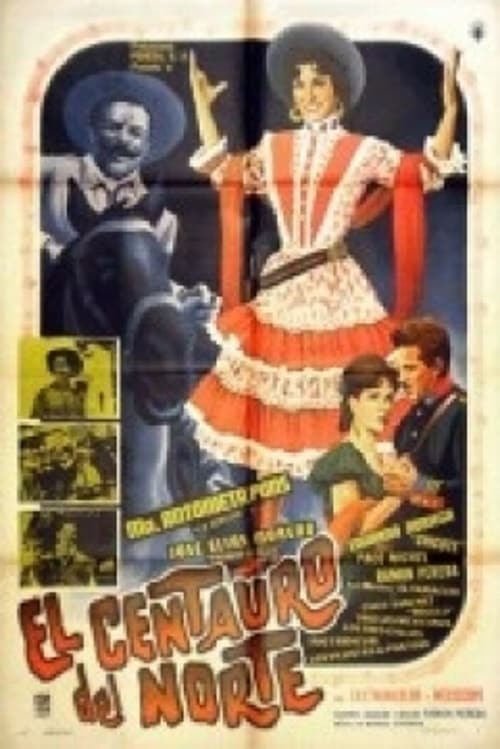
El centauro del norte is a traditional historical epic that excels in its authentic representation of Mexican identity. By focusing on the conflict between Villistas and Huertistas, the film captures the unique racial and class dynamics of the Mexican Revolution. However, the film is limited by the social norms of its time. It relies on traditional gender roles and straight-centered romantic clichés, which restricts its broader social representation. Ultimately, the film’s strength lies in its socio-political engagement rather than challenging contemporary social hierarchies.
Category Breakdown
The film follows the heterosexual norms typical of 1960s Mexican cinema. It does not include any non-binary gender identities or same-sex relationships.
A Villista girl plays a key role in the romantic storyline, but her ability to act is limited to domestic duties. The narrative emphasizes male-led action and revolutionary violence.
The film showcases high ethnic authenticity with a Mexican cast. It effectively uses Mestizo and Indigenous identities to highlight the unique cultural landscape of the Mexican frontier.
The story explores class struggle and land reform through the lens of the Mexican Revolution. It examines the tension between revolutionary ideals and traditional authority structures.
There is no documented depiction of physical or neurodivergent disabilities in this historical epic.
Present on Screen
Limited or Absent
Official Synopsis
A Villista girl and a Huertista boy -- can their love cross ideological lines and heal a trembling nation?
1963
1959
1976

1946
1944
1971
1962
1930
No reviews yet. Be the first to share your thoughts on this movie!
Use the rating form above to leave a star rating and optional review.