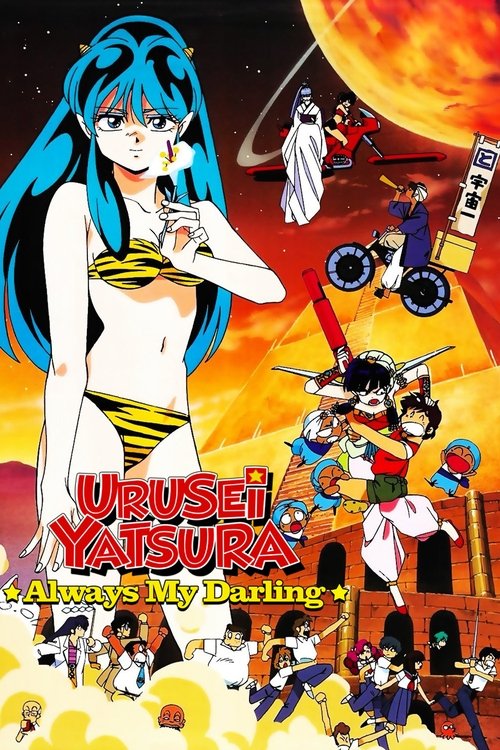
Urusei Yatsura: Always My Darling
1991
No user ratings available yet
Representation score: 6.4 out of 10
Representation Score
Good
1988
PGDirector
Satoshi Dezaki
Runtime
85 minutes
Average Rating
No ratings yetNew Showbiz Analysis
The film stands out by challenging traditional gender roles, placing the female lead as a dominant force in the story. However, it maintains cultural homogeneity and avoids deep representation of underrepresented identities. Ultimately, it disrupts social norms and romantic hierarchies rather than exploring diverse human experiences.
Category Breakdown
The story focuses on the romantic tension between Ataru and Lum, avoiding traditional heterosexual scripts through a chaotic relationship that doesn't follow typical romantic patterns.
Lum Winterstar plays a key role in driving the plot, shifting the focus away from the male protagonist. She uses her supernatural strength and dominance to take control of the story.
The cast is primarily made up of Japanese actors, with extraterrestrial characters serving as metaphors for 'the other.' However, there is little diversity within the setting itself.
The film emphasizes personal freedom and individual liberation over strict religious doctrine. It explores the disruption of traditional family roles through chaotic, character-driven events.
The characters operate within a standard physical framework, with no visible or invisible disabilities playing a central role in the plot or themes.
Present on Screen
Limited or Absent
Official Synopsis
It seems that Lum's grandfather made an agreement that should he have a daughter, she would be married to a traveling merchant that he met. Now, the merchant has come to collect due. Ataru is tricked into thinking that Lum wants to leave, and so, in a moment of anger, says he hates her. Arguments erupt, and Lum decides that she must know the truth of Atarus feelings. As for all the questions of importance for the Onis, a game of tag begins, one that Ataru can win simply by telling Lum I Love You. However, in the end his pride may end up dooming him. So begins the series of events that will at long last decide the future and fate of Ataru and Lum.
1991

2022
1983

2014
1989
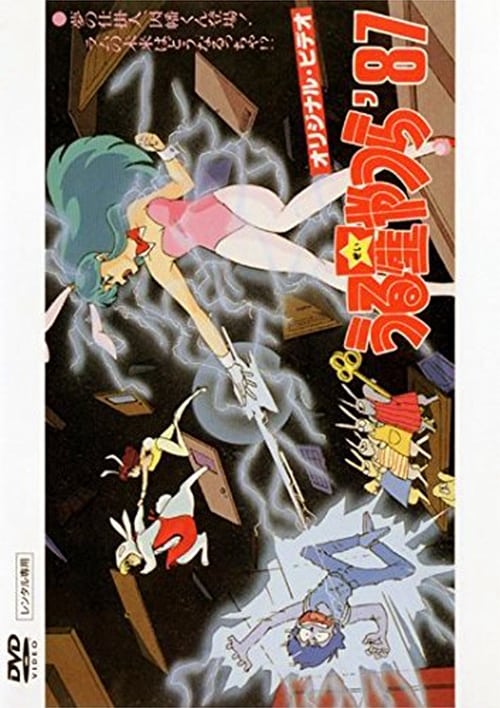
1987
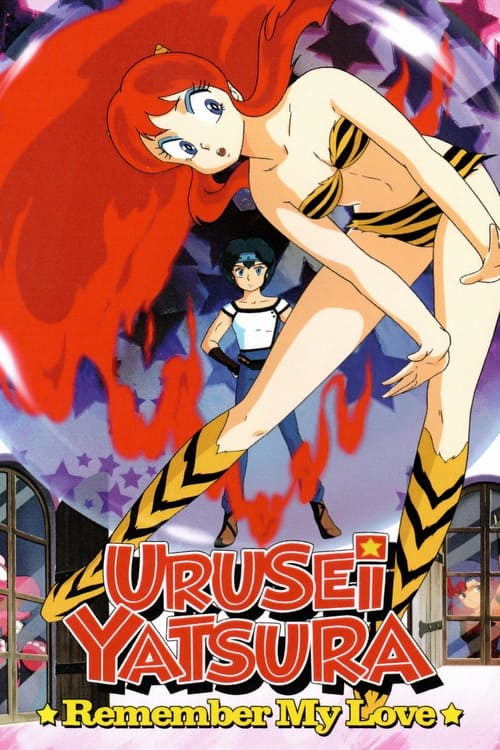
1985
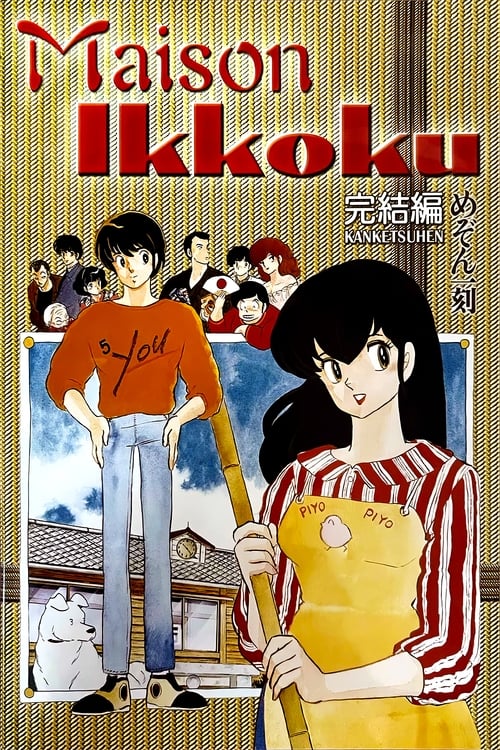
1988
No reviews yet. Be the first to share your thoughts on this movie!
Use the rating form above to leave a star rating and optional review.