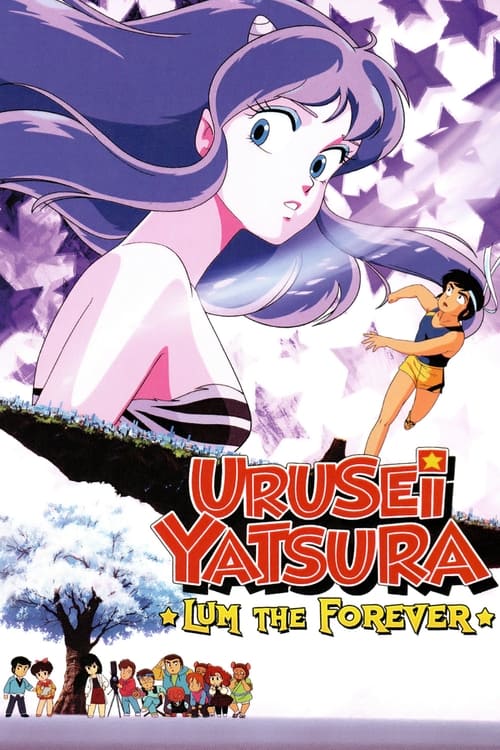
Urusei Yatsura: Lum the Forever
1986
No user ratings available yet
Representation score: 7.1 out of 10
Representation Score
Limited
1985
Director
Kazuo Yamazaki
Runtime
93 minutes
Average Rating
No ratings yetNew Showbiz Analysis
The film stands out by challenging traditional gender power dynamics through Lum's autonomy and strength. Her character drives the plot through her own actions rather than conforming to typical domestic roles. However, the film lacks diverse representation. The setting is culturally homogeneous, and the romantic structure remains strictly heterosexual without explicit LGBTQ+ characters. Overall, the film uses science fiction to explore themes of social alienation and being an outsider. While it does not offer broad diversity, it successfully portrays characters who exist as outsiders within their society.
Category Breakdown
The story focuses on the romantic tension between Ataru and Lum. It does not include explicit LGBTQ+ characters or non-straight relationships, maintaining an assumption that everyone is heterosexual.
Lum challenges traditional gender roles by having significant supernatural power and physical strength. She acts as a dominant, capable force rather than a passive character.
The cast is primarily Japanese in a contemporary urban setting. Lum’s status as an alien princess symbolizes the experience of being an outsider.
The narrative emphasizes individual impulses and social disruption over institutional stability. It does not provide a focused critique of organized religion or Western institutions.
There are no prominent depictions of physical or neurodivergent disabilities that serve as central plot drivers or character arcs.
Present on Screen
Limited or Absent
Official Synopsis
The third film finds Ataru transformed into a pink hippopotamus, which sends Lum chasing after the wicked magician responsible, with catastrophic results. With Lum gone, her friends decide that there is no reason to remain, and so Tomobiki slowly returns to normal. The highlight of the film is a high speed chase scene with an angry Lum flying after the mysterious Ruu through the city at night and into a hall of mirrors (and illusion ). Ataru's true feelings for Lum are probably more obvious in this film than any of the others.
1986
1989
1989
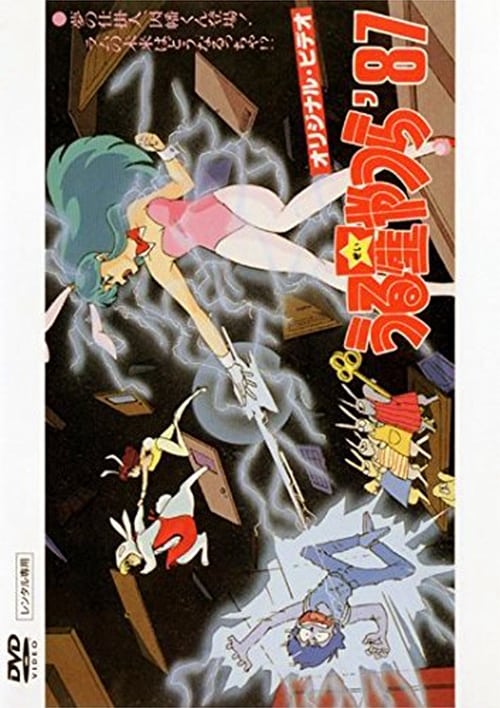
1987
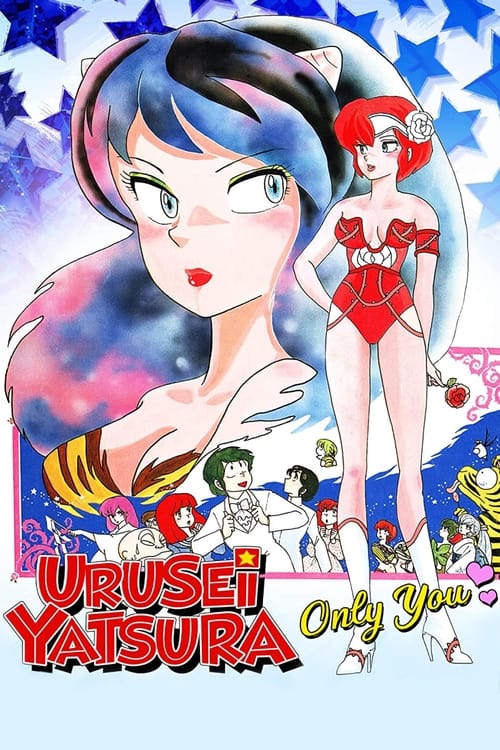
1983
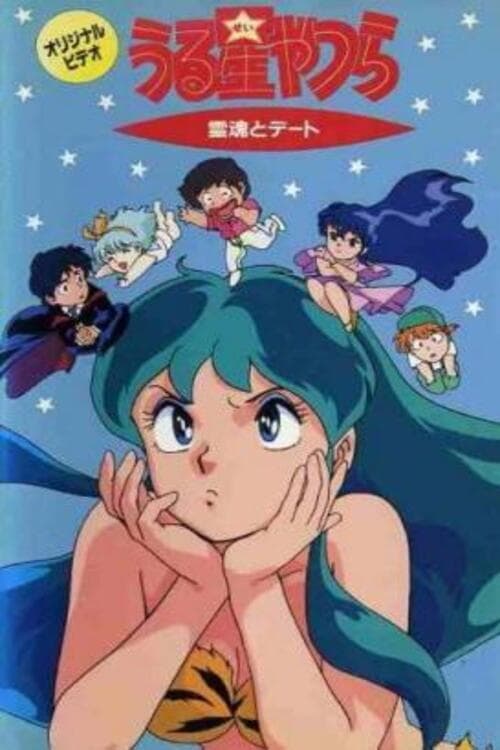
1991
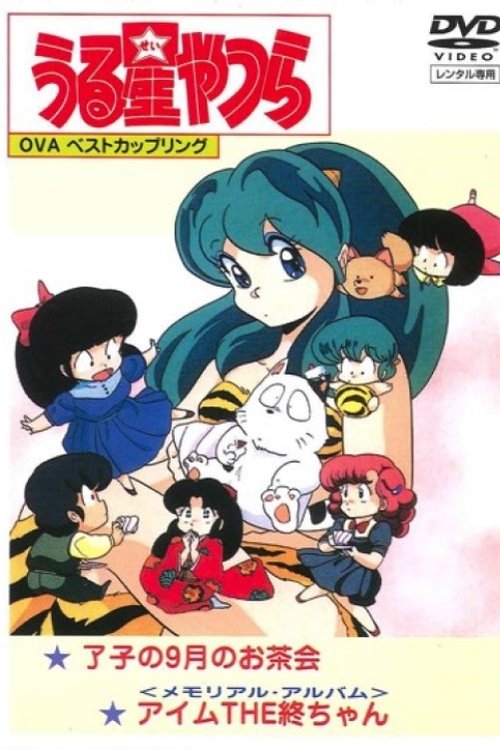
1986
1991
No reviews yet. Be the first to share your thoughts on this movie!
Use the rating form above to leave a star rating and optional review.