Go West
1940
No user ratings available yet
Representation score: 0.6 out of 10
Representation Score
Minimal
1950
NRDirector
Richard Sale
Runtime
87 minutes
Average Rating
No ratings yetNew Showbiz Analysis
A Ticket to Tomahawk is a classic mid-century Western that emphasizes traditional genre conflict over deconstructing systemic hierarchies. While it avoids some of the most outdated clichés, it remains firmly grounded in the expansionist narratives of the 1950s. The film’s most progressive element is its portrayal of gender, particularly through a female character who plays a significant role in driving the story. This offers a break from the submissive frontier woman stereotype common in Westerns. Overall, the film’s use of Native Americans as antagonistic plot devices and its reinforcement of capitalist progress limit its diversity. It reflects the traditional values and power structures of its time.
Category Breakdown
The film does not include any LGBTQ+ characters or narratives. It follows traditional structures that assume everyone is straight or cisgender, without challenging these norms.
A female sharpshooter disrupts traditional gender roles by serving as the main obstacle to the male lead. However, the overall social structure remains dominated by patriarchal leadership.
Native American characters are used mainly as antagonists within typical frontier stories. The narrative reinforces existing power dynamics without offering deeper critique or perspectives that reflect multiple aspects of identity.
The story focuses on Western expansion and capitalist enterprise. Conflict is framed through individual competition and frontier survival, rather than critiquing imperialism.
There are no visible or invisible disabilities depicted. Characters are shown through the typical lens of physical abilities needed for Western genre stories.
Present on Screen
Limited or Absent
Official Synopsis
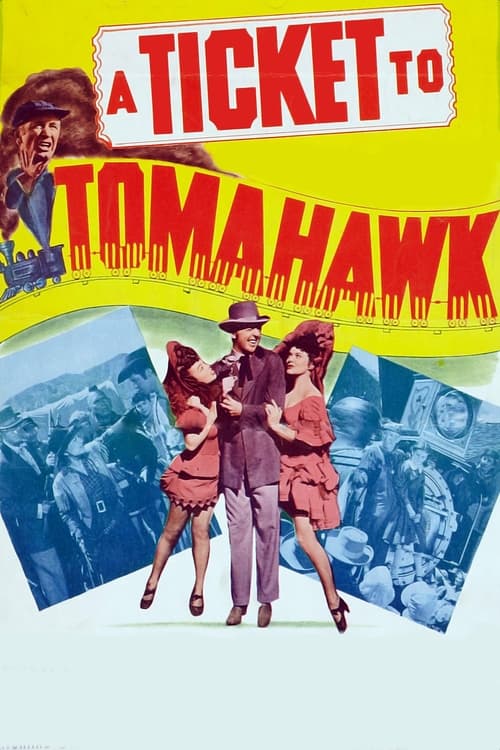
A cowboy is hired by a stagecoach boss to stop the railroad reaching his territory and putting him out of business. He uses everything from Indians to dancehall girls to try to thwart the plan. But the railroad workers, led by a female sharpshooter and an ambitious salesman, prove tough customers.
1940
1953
1928
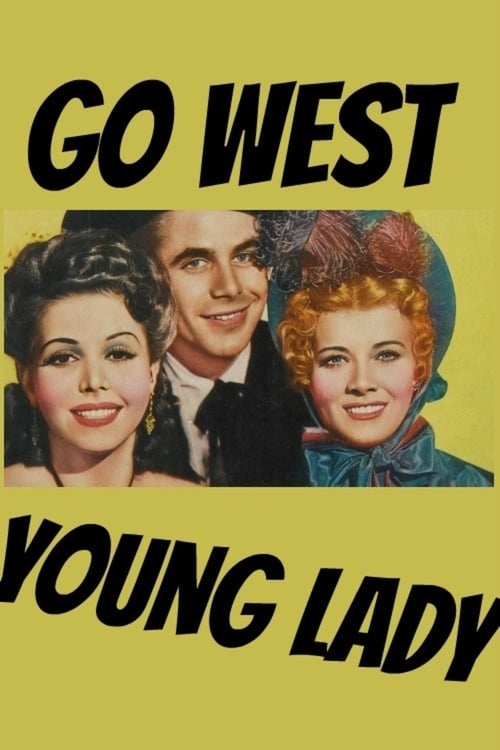
1941
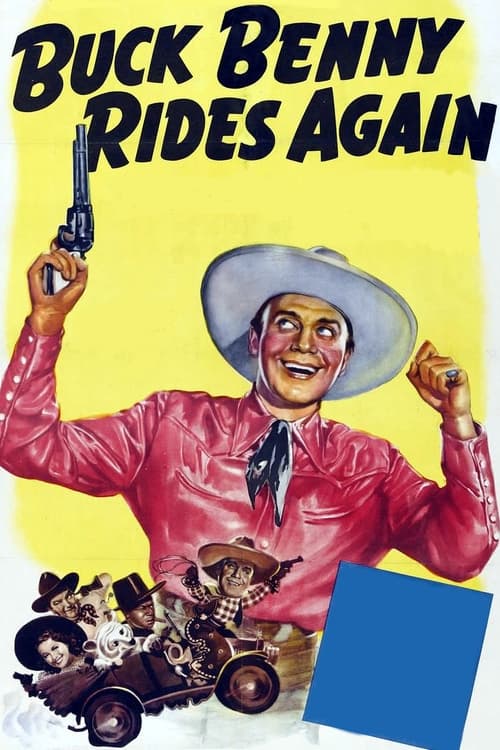
1940
1945
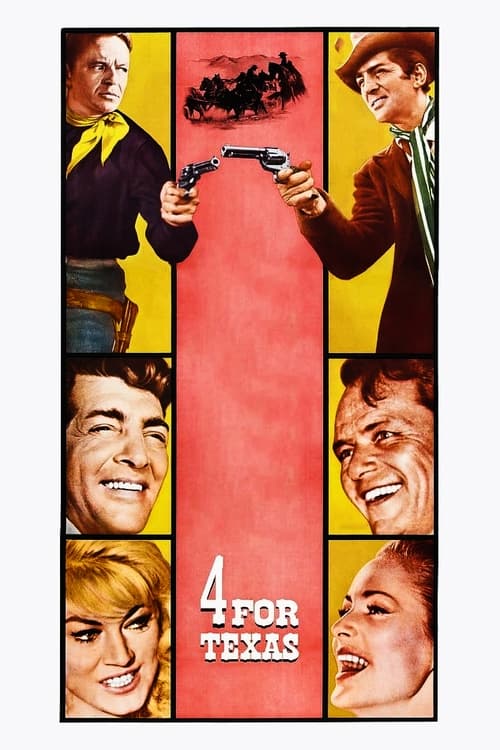
1963
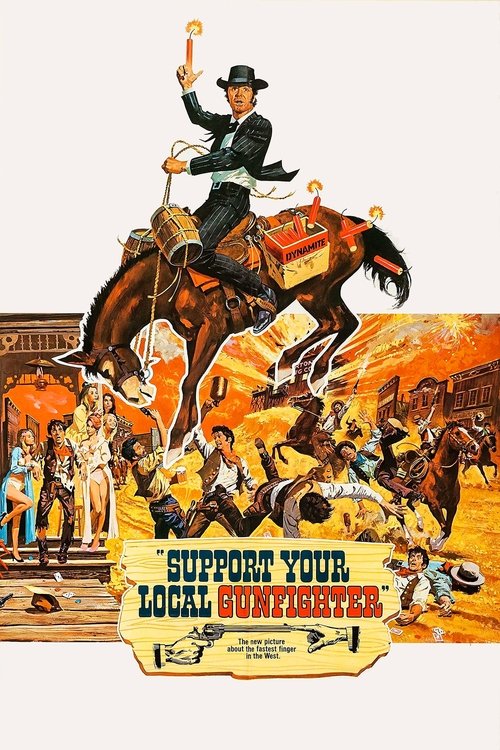
1971
No reviews yet. Be the first to share your thoughts on this movie!
Use the rating form above to leave a star rating and optional review.