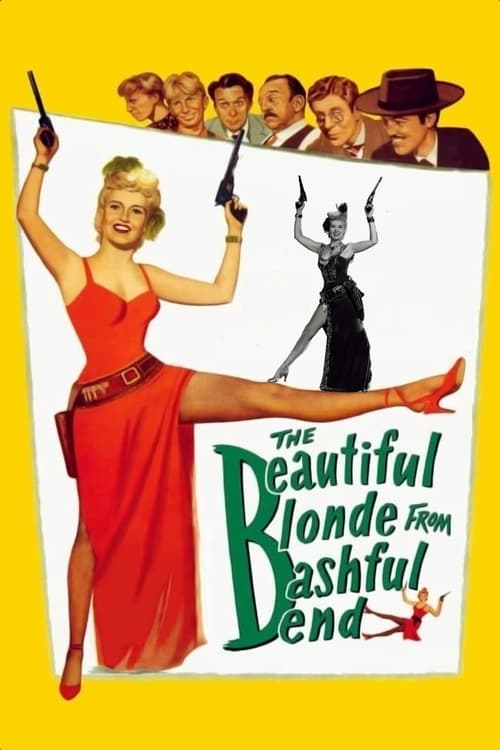
The Beautiful Blonde from Bashful Bend
1949
No user ratings available yet
Representation score: 1.8 out of 10
Representation Score
Limited
1950
NRDirector
George Sidney
Runtime
107 minutes
Average Rating
No ratings yetNew Showbiz Analysis
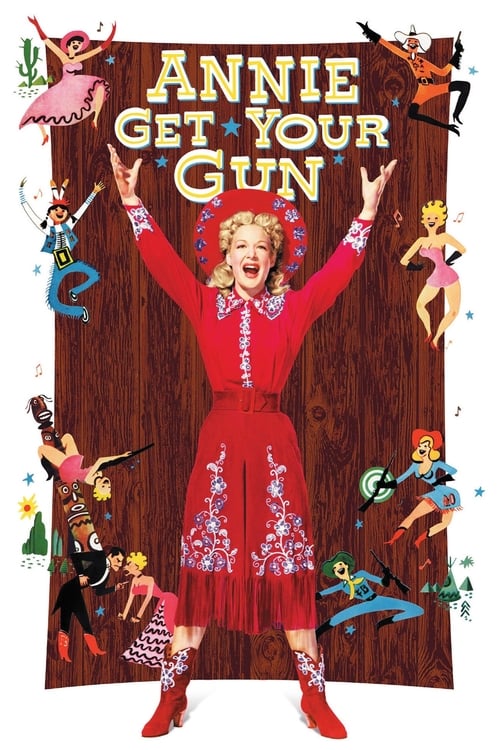
Annie Get Your Gun presents a strong examination of gendered competence by positioning a woman at the forefront of a traditionally masculine skill set. Annie Oakley’s professional superiority challenges the social hierarchies of the time, offering a rare instance of female empowerment in a mid-century musical. However, the film’s exploration of gender roles is undermined by a lack of racial complexity. Native American performers are used as part of a theatrical spectacle rather than as fully realized characters. Overall, the film reflects the cultural norms of its era, blending a progressive take on gender roles with the entrenched racial and cultural conventions of 1950s Hollywood.
Category Breakdown
The film does not include any LGBTQ+ characters or relationships that go beyond straight and cisgender assumptions. The story revolves around the heterosexual relationship between Annie Oakley and Frank Butler.
Annie Oakley challenges traditional gender roles by excelling in a traditionally male-dominated field of sharpshooting. The main conflict arises from the male lead's difficulty in accepting a woman's superior skills and independence.
The cast is primarily white, reflecting the typical casting of 1950s frontier films. Native American performers are used as part of a theatrical display rather than as fully developed characters.
The story highlights the myth of the American frontier and the success of Buffalo Bill’s Wild West show. It upholds conventional romantic resolutions and institutional stability.
The film does not feature any prominent characters with visible or invisible disabilities that play a central role in the narrative.
Present on Screen
Limited or Absent
Official Synopsis
Gunslinger Annie Oakley romances fellow sharpshooter Frank Butler as they travel with Buffalo Bill's Wild West Show.
1949
1953
1946
1955
1935
1940
1970
1945
No reviews yet. Be the first to share your thoughts on this movie!
Use the rating form above to leave a star rating and optional review.