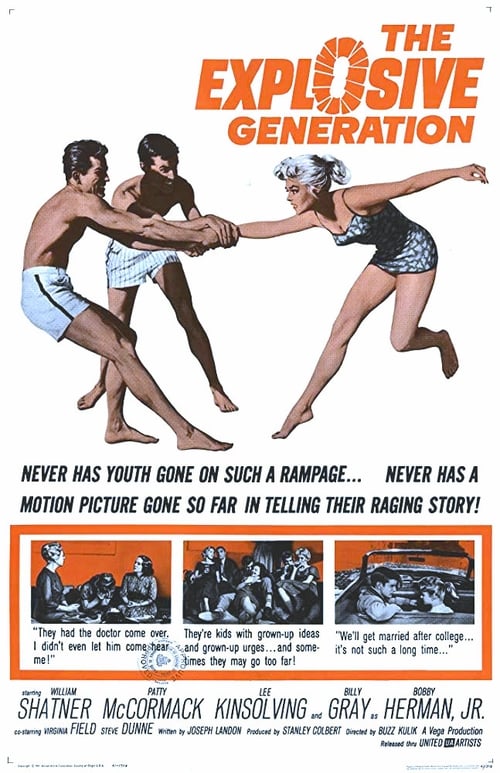
The Explosive Generation
1961
No user ratings available yet
Representation score: 2.9 out of 10
Representation Score
Minimal
1960
NRDirector
Paul Wendkos
Runtime
102 minutes
Average Rating
No ratings yetNew Showbiz Analysis
Paul Wendkos' drama is a classic product of its time, focusing on the tension between authority and youthful rebellion. While it offers a subtle critique of societal norms, the film does not prioritize diverse representation. Instead, it presents a narrow cultural and demographic perspective.
Category Breakdown
The film strictly follows the social norms of 1960, showing no signs of non-traditional gender identities or same-sex relationships.
Male characters dominate the main plotlines, while females mostly play supporting roles, serving as emotional catalysts rather than primary drivers of conflict.
The cast is predominantly white, reflecting the demographics of early 1960s Hollywood. The film portrays an American society that is largely homogeneous.
The story challenges idealized views of the nuclear family by highlighting youthful misbehavior, but it still fits within the typical structure of a conventional social drama.
There is no representation of physical, cognitive, or mental health disabilities in the film.
Present on Screen
Limited or Absent
Official Synopsis
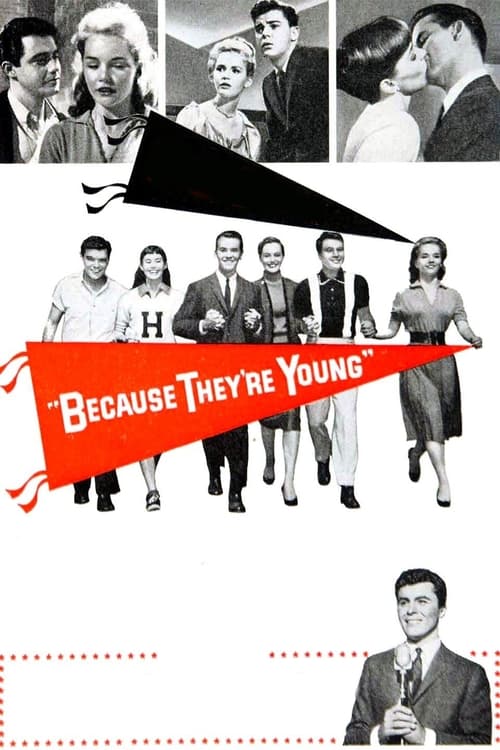
Director Paul Wendkos' 1960 film adaptation of the controversial novel "Harrison High", about an idealistic young high-school teacher dealing with over-sexed and troubled teenagers, is notable for its casting of newcomer Dick Clark in the starring role. Others in the cast include Tuesday Weld, Michael Callan, Victoria Shaw, Roberta Shore, Warren Berlinger, Doug McClure, Linda Watkins, Rudy Bond, Philip Coolidge, Stephen Talbot, Kathryn Card, James Darren, Duane Eddy, The Rebels and Bess Flowers.
1961
1969
1967
1958

1961

1961
1967
1955
No reviews yet. Be the first to share your thoughts on this movie!
Use the rating form above to leave a star rating and optional review.