
The Leopard Man
1943
No user ratings available yet
Representation score: 1.7 out of 10
Representation Score
Minimal
1945
ApprovedDirector
Wallace Fox
Runtime
66 minutes
Average Rating
No ratings yetNew Showbiz Analysis
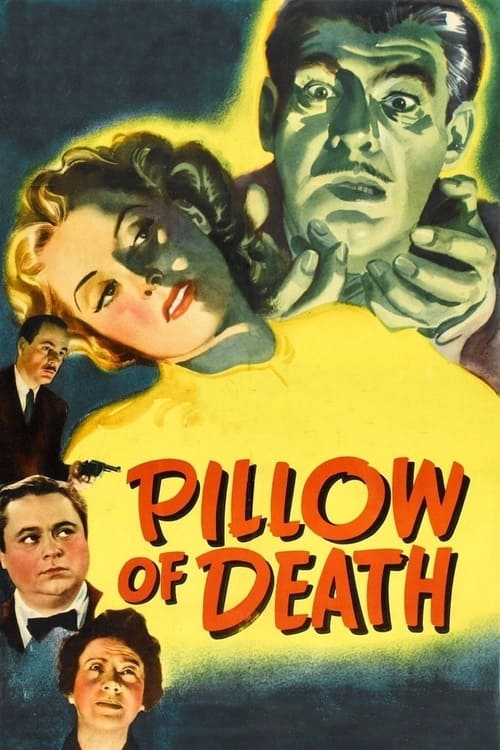
Pillow of Death is a product of its era, adhering to the social hierarchies and demographic norms of 1940s American cinema. The narrative relies on conventional genre clichés and traditional morality rather than challenging established cultural frameworks. The film's structure reinforces mid-century social roles, particularly regarding gender and class. It prioritizes narrative efficiency and mystery clichés over any meaningful exploration of multiple aspects of identity or social critique.
Category Breakdown
The film focuses on a heterosexual relationship and a traditional marriage. There is no representation of non-straight identities or critiques of the assumption that everyone is straight or cisgender.
Female characters are portrayed as either romantic subordinates or domestic victims. The male attorney maintains central control and legal authority throughout the mystery.
The narrative centers on a white middle-class professional. The film likely reflects the homogeneous casting standards typical of 1945 B-movie productions.
The story operates within mid-century Western morality. A psychic character serves as a genre device rather than a critique of religious or institutional structures.
There is no evidence of characters with physical or neurodivergent disabilities. Supernatural visions are used as plot devices rather than explorations of lived disability.
Present on Screen
Limited or Absent
Official Synopsis
Attorney Wayne Fletcher and his secretary have an affair. When Wayne's wife is found smothered to death, he becomes the prime suspect. As the police investigate the murder, a psychic with questionable motives tries to contact the deceased woman. Soon, Wayne begins seeing visions of his dead wife, and other people involved with the case begin to be killed, one by one.
1943
1977
1942
1944

1933
1960
1945

1933
No reviews yet. Be the first to share your thoughts on this movie!
Use the rating form above to leave a star rating and optional review.