Berserk!
1967
No user ratings available yet
Representation score: 0.5 out of 10
Representation Score
Minimal
1965
NRDirector
James Hill
Runtime
95 minutes
Average Rating
No ratings yetNew Showbiz Analysis
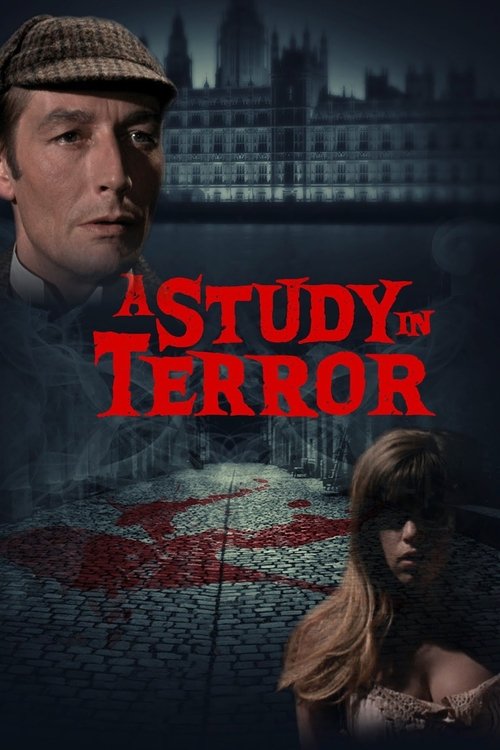
A Study in Terror is a conventional period mystery that prioritizes genre clichés over social subversion. The narrative focuses on maintaining Victorian social order through the application of logic. The film presents a culturally uniform social strata and relies on established mid-20th century cinematic expectations regarding class and gender dynamics. Ultimately, the production reinforces traditional hierarchies rather than challenging them.
Category Breakdown
The film strictly follows the assumption that everyone is straight or cisgender. There are no non-conforming gender identities or same-sex relationships portrayed in the story.
Female characters are primarily defined by their relationships to the mystery, appearing either as victims or socialites. The film upholds traditional Victorian gender hierarchies and male leadership.
The casting reflects a homogeneous demographic typical of Victorian London. There are no non-Anglo-Saxon characters in prominent roles.
The story reinforces Western institutional structures and the restoration of social order. It does not critique religion or the traditional family unit.
There is no significant focus on neurodivergence or physical disabilities. Characters are defined by social class or their roles in the investigation.
Present on Screen
Limited or Absent
Official Synopsis
When Watson reads from the newspaper there have been two similar murders near Whitechapel in a few days, Sherlock Holmes' sharp deductive is immediately stimulated to start its merciless method of elimination after observation of every apparently meaningless detail. He guesses right the victims must be street whores, and doesn't need long to work his way trough a pawn shop, an aristocratic family's stately home, a hospital and of course the potential suspects and (even unknowing) witnesses who are the cast of the gradually unraveled story of the murderer and his motive.
1967
1945

1959
1946

1953
1944
1962
1942
No reviews yet. Be the first to share your thoughts on this movie!
Use the rating form above to leave a star rating and optional review.