The Midnight Story
1957
No user ratings available yet
Representation score: 1.9 out of 10

Representation Score
Good
1968
NRDirector
Lamont Johnson
Runtime
93 minutes
Average Rating
No ratings yetNew Showbiz Analysis
Kona Coast is a social drama that prioritizes a critique of systemic corruption over broad demographic representation. It uses a traditional protagonist archetype to explore how economic power can suppress communal truth. The film's strength lies in its depiction of the friction between local inhabitants and an insulated elite. This provides a sophisticated look at power dynamics within a specific Hawaiian context. However, the narrative remains largely tied to conventional 1960s frameworks. It lacks explicit diversity in terms of LGBTQ+ identities and relies on a standard patriarchal structure for its primary emotional driver.
Category Breakdown
The film does not include any explicit LGBTQ+ characters or narratives. The central conflict revolves around a traditional father-daughter relationship, ignoring non-straight identities.
While the plot centers around a patriarchal protagonist, the character Kittibelle provides a layer of women's ability to drive the story. As a professional running a treatment center, she demonstrates competence beyond domestic roles.
Set in Honolulu, the story implies complex interactions through class conflict. The tension between local islanders and a wealthy elite suggests a critique of existing ethnic and colonial hierarchies.
The narrative critiques Western institutional power by portraying the wealthy as corrupt. It deconstructs social stability by showing how capital and silence can obstruct justice.
The film explores themes of addiction through Kittibelle’s alcohol abuse treatment center. This focus highlights mental health issues and the complexities of social rehabilitation.
Present on Screen
Limited or Absent
Official Synopsis
Sam Moran is a Honolulu charter-boat captain who leads fishing expeditions in the tropical paradise. When his daughter is found murdered at the party of a wealthy young playboy, he seeks the truth about the murder. Convinced the playboy is guilty, he enlists the help of his friend Kittibelle, who runs an alcohol abuse treatment center. Sam runs into a wall of silence obviously built by hush money and islanders fearful of reprisals from the rich and powerful family. The determined dad fights to uncover the information that will land the murderer in jail as he avenges the death of his daughter.
1957
1950
1970
1969
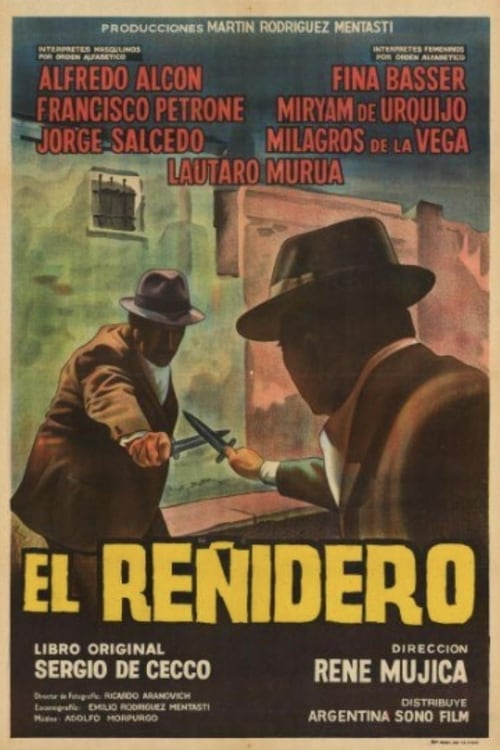
1965
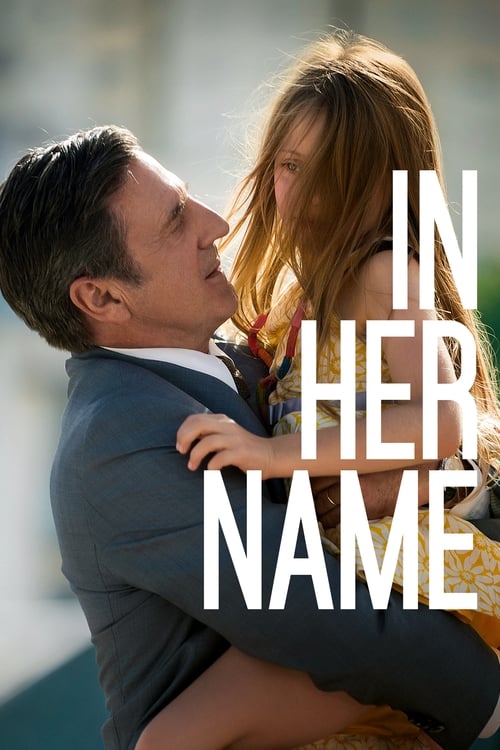
2016
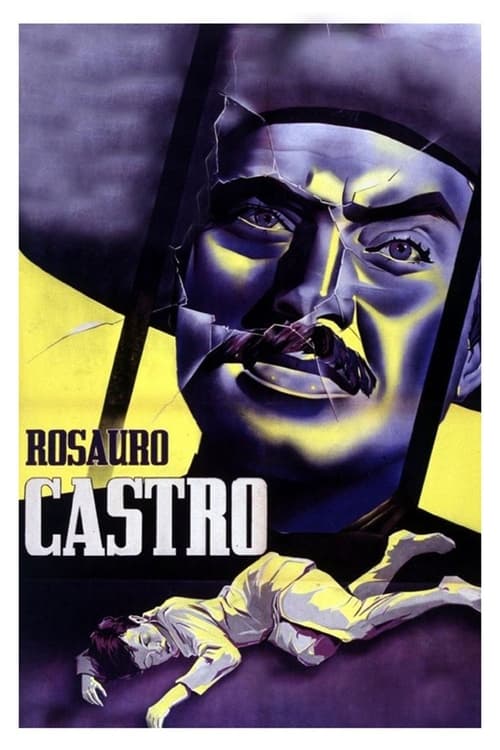
1950
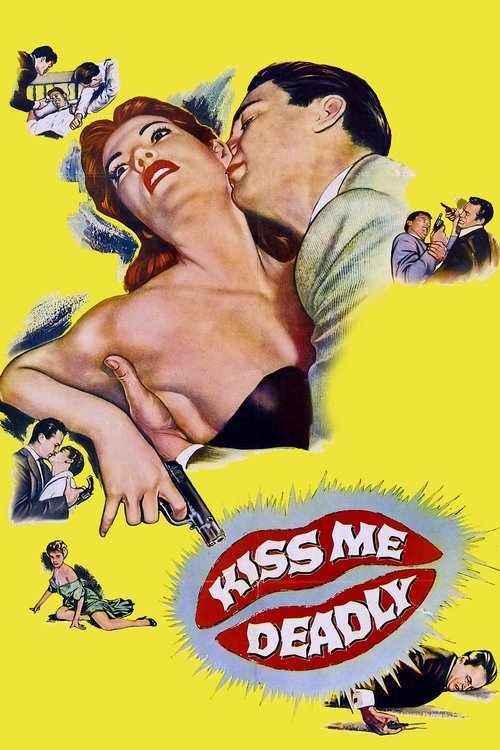
1955
No reviews yet. Be the first to share your thoughts on this movie!
Use the rating form above to leave a star rating and optional review.