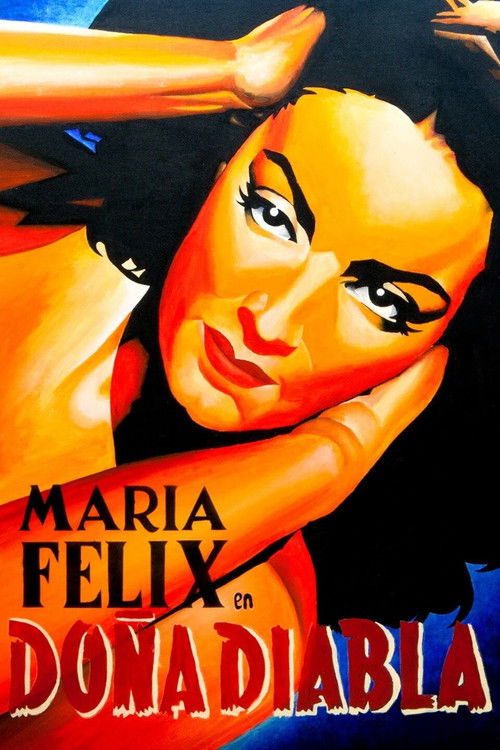
Doña Diabla
1950
No user ratings available yet
Representation score: 1.8 out of 10
Representation Score
Minimal
1960
Director
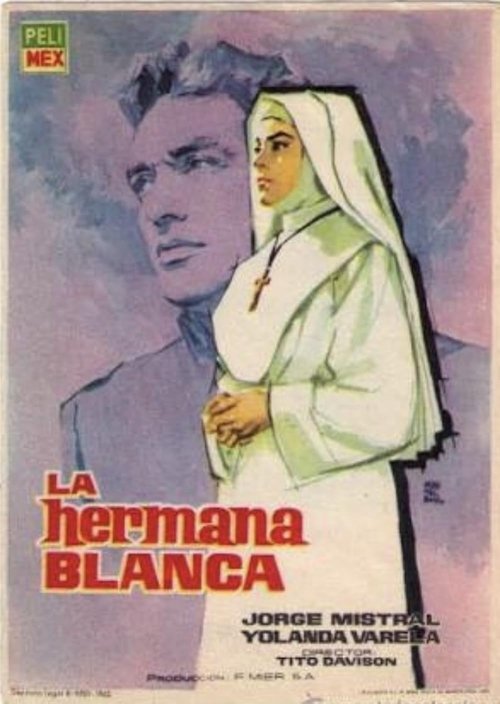
Tito Davison
Runtime
90 minutes
Average Rating
No ratings yetNew Showbiz Analysis
La hermana blanca is a traditional period drama set in the 1960s. The story focuses on a woman's transition from romance to religious devotion after a perceived tragedy. The film adheres to conventional emotional arcs and reinforces established institutional hierarchies. It lacks the depth or subversion of norms needed to represent diverse identities or non-traditional lifestyles. Ultimately, the production reflects the conservative values of its era, prioritizing religious sanctity and traditional gender roles.
Category Breakdown
The film does not include any LGBTQ+ characters or themes. The plot revolves around traditional romantic relationships and religious devotion.
The story centers on a female protagonist whose journey involves mourning and spiritual submission. These elements follow conventional feminine roles.
The film appears to follow the typical racial demographics expected for a 1960s production. There is no indication of diverse casting that challenges period norms.
The narrative emphasizes religious institutions and traditional moral values. It promotes a single spiritual path as a response to grief without offering secular alternatives.
There is no depiction of characters with visible or invisible disabilities in the narrative.
Present on Screen
Limited or Absent
Official Synopsis
A young woman believes her fiance has died, and she enters a convent.
1950
1962
1933
1967
1953
1959
1964
1962
No reviews yet. Be the first to share your thoughts on this movie!
Use the rating form above to leave a star rating and optional review.