La Casa del Farol Rojo
1971
No user ratings available yet
Representation score: 3.6 out of 10
Representation Score
Minimal
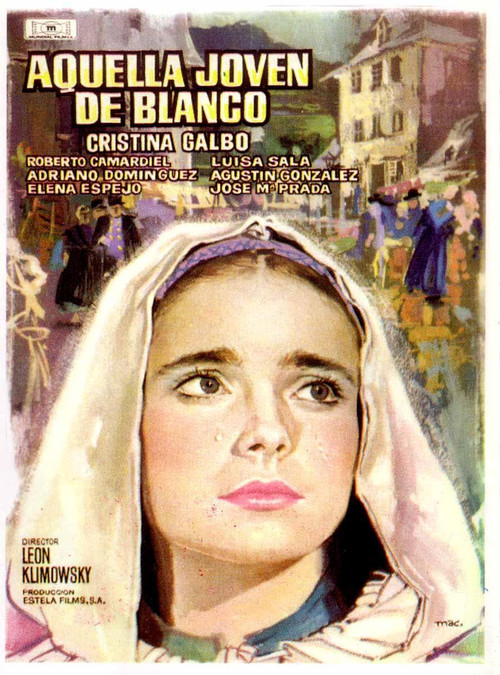
1964
Director
León Klimovsky
Average Rating
No ratings yetNew Showbiz Analysis
Aquella joven de blanco is a traditional period drama reflecting the social hierarchies of 1960s Spain. The film adheres to the established cultural and moral standards of the Spanish domestic industry, lacking progressive narrative elements. While the film features notable female performers, the storytelling follows conventional feminine archetypes without challenging patriarchal norms. The absence of LGBTQ+, racial, or ethnic diversity further emphasizes the era's demographic and social homogeneity. Overall, the film upholds mid-century cinematic standards, prioritizing institutional stability and traditional values over social subversion or diversity.
Category Breakdown
The film does not include any characters with LGBTQ+ identities. It seems to follow the social norms of its time.
The film includes prominent female actors like Cristina Galbó, but the story follows traditional gender roles without challenging patriarchal structures.
The film reflects the cultural homogeneity of the 1960s Spanish film industry. There are no non-white or diverse ethnic characters in the cast.
The film operates within traditional Western and Catholic frameworks. It aligns with the moral and social stability prioritized by mid-century institutions.
There is no information about the portrayal of physical or neurodivergent disabilities. No characters with disabilities are mentioned in the narrative.
Present on Screen
Limited or Absent
1971
1976
1967
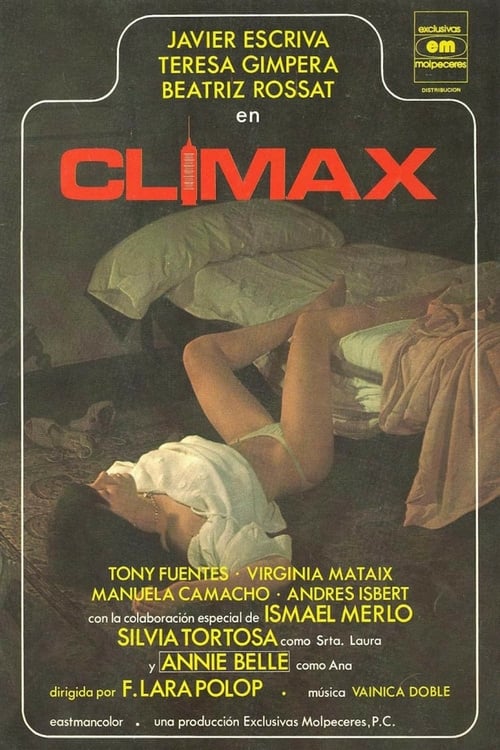
1977
1972
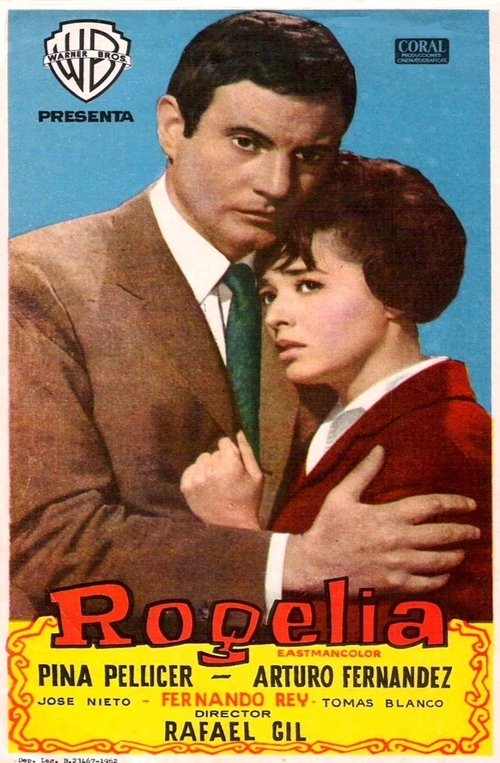
1962
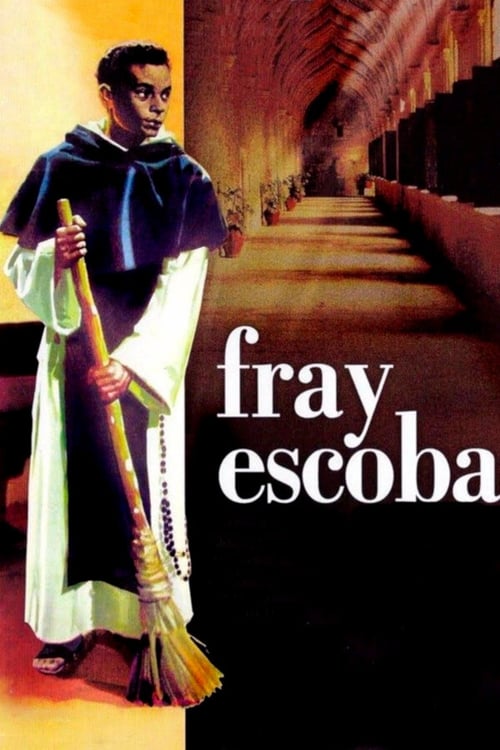
1961
1977
No reviews yet. Be the first to share your thoughts on this movie!
Use the rating form above to leave a star rating and optional review.