
La hermana blanca
1960
No user ratings available yet
Representation score: 2.0 out of 10
Representation Score
Limited
1933
Director
Alberto Santana
Runtime
41 minutes
Average Rating
No ratings yetNew Showbiz Analysis
This 1933 drama follows a sentimental storyline common to its era, focusing on romantic longing and wartime tragedy. While the Peruvian setting provides a non-Western backdrop, the thematic content remains deeply traditional. The protagonist's journey concludes with a retreat into religious life, emphasizing institutional stability over personal empowerment. Ultimately, the film adheres to the moral and gendered expectations of the early 20th century.
Category Breakdown
The story focuses on a traditional heterosexual relationship between Carmen and Oscar. It does not include any characters with non-conventional gender identities or critiques of traditional gender roles.
Carmen is the main character, but her role is primarily defined by her romantic relationships and emotional responses to loss. Her journey follows traditional patterns of feminine suffering.
Set in Lima, the film presents a Latin American perspective that avoids the typical Anglo-centric viewpoint of Hollywood. However, the specific ethnic composition and social hierarchies are not explored in depth.
The story heavily relies on traditional religious institutions. Carmen’s decision to join a convent highlights the importance of religious structures for stability and meaning.
The film does not include any characters facing physical, neurodivergent, or mental health challenges.
Present on Screen
Limited or Absent
Official Synopsis
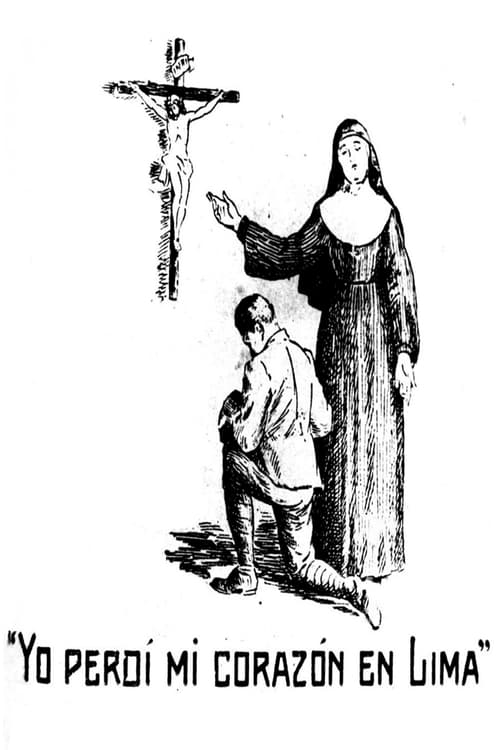
Young Carmen arrives in Lima, dreaming of falling in love and finding happiness. She goes to live with her cousins and aunt, in the elegant Miraflores district. Soon she falls in love with Oscar, but he must leave her to go to the war. After a long time waiting for him to return, she learns he has died. Desperate, she decides to join a convent.
1960

1962

1943
1938
1953

1932

1936

1954
No reviews yet. Be the first to share your thoughts on this movie!
Use the rating form above to leave a star rating and optional review.