Just for the Hell of It
1968
No user ratings available yet
Diversity score: 3.0 out of 10
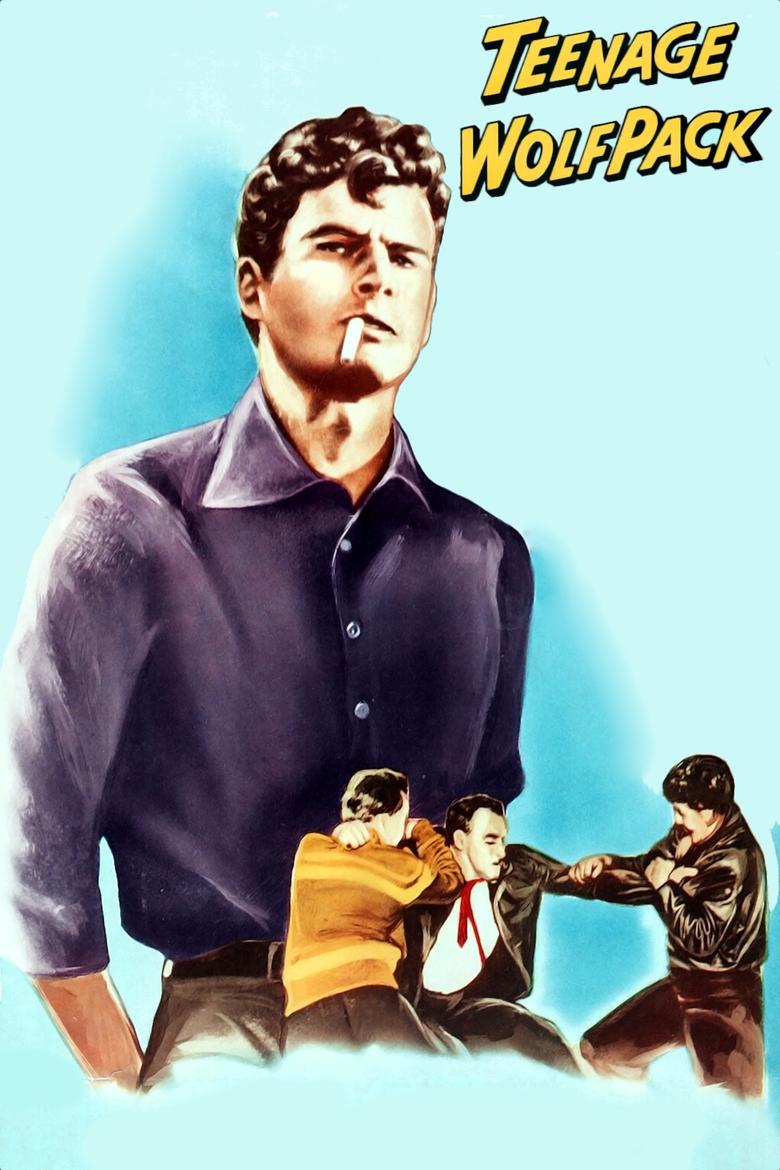
1956
Director
Georg Tressler
Runtime
97 minutes
Average Rating
No ratings yetSynopsis
The drama of a youthful triangle among gang leader Freddy, his brother Jan, and bad girl Cissy, in one of the first considerations of juvenile delinquency in post-war West Germany.
Overall Score
Limited
Category Breakdown
LGBTQ+ Representation
The film lacks any evidence of non-cisnormative identities or same-sex intimacy. The story follows a traditional romantic triangle that adheres to the heteronormative structures of 1956.
Gender Representation
Cissy provides a rebellious 'bad girl' archetype that disrupts the era's domestic female ideals. However, her agency remains largely tethered to the male-driven conflict of the central triangle.
Racial & Ethnic Diversity
The cast reflects a homogeneous ethnic landscape typical of post-war West German domestic dramas. There is no evidence of racial blending or non-majority casting.
Religious & Cultural Diversity
The film challenges the sanctity of traditional West German institutions like the family and state authority. It frames delinquency as a response to a fractured social system.
Disability Representation
There is no discernible evidence regarding the inclusion of characters with physical or neurodivergent disabilities in this narrative.
Strengths
Areas for Improvement
AI Analysis
Georg Tressler’s work stands out for its departure from the sanitized, moralistic instructional films common in post-war West German cinema. By focusing on the 'Halbstarken' phenomenon, the film engages with systemic youth unrest and social friction. While the film lacks intersectional demographic variety, its narrative architecture is significant for its era. It disrupts traditionalist, restorative social narratives by validating anti-social rebellion and questioning established hierarchies. Ultimately, the film functions as a localized study of German social strata, prioritizing sociological tension over demographic diversity.
1968

2006
1965
1959
1956
1999

1955
1963
1957
1961
1975
1951
No reviews yet. Be the first to share your thoughts on this movie!
Use the rating form above to leave a star rating and optional review.