
It's Such a Beautiful Day
2012
No user ratings available yet
Representation score: 8.2 out of 10
Representation Score
Good
2015
RDirector
Duke Johnson, Charlie Kaufman
Runtime
91 minutes
Average Rating
No ratings yetNew Showbiz Analysis
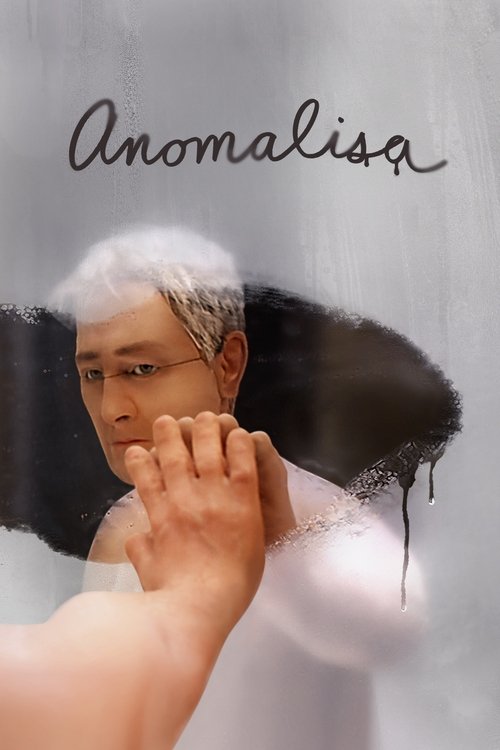
Anomalisa is a postmodern exploration of alienation that uses stop-motion animation to mirror psychological depersonalization. Its diversity profile is highly polarized, driven by its unique narrative conceit. The film lacks traditional demographic variety, as the protagonist's condition renders all characters identical, effectively erasing racial and LGBTQ+ identities. This serves a metaphorical purpose but limits representation. Conversely, the film excels in intellectual subversion. It provides a sophisticated look at psychological distress and offers a biting critique of contemporary social structures and the emptiness of modern routine.
Category Breakdown
There are no LGBTQ+ characters or narratives in the film, which means there is no critique of the assumption that everyone is straight or cisgender.
Lisa plays a key role in driving the story against Michael's emotional detachment. The film avoids traditional domestic clichés by focusing on a failing, non-idealized marriage.
The film's central idea makes every character visually and auditorily identical. This metaphorical approach to depersonalization results in a lack of visible racial or ethnic diversity.
The film offers a sophisticated critique of modern middle-class existence and Western social institutions. It portrays the nuclear family and capitalist routines as sources of alienation.
The story provides a deep portrayal of neurodivergence and psychological distress. It avoids inspirational stories and instead focuses on the painful reality of a fractured perception of the world.
Present on Screen
Limited or Absent
Official Synopsis
An inspirational speaker becomes reinvigorated after meeting a lively woman who shakes up his mundane existence.
2012

2017

2015

2017

2009
2017

2006

2009
No reviews yet. Be the first to share your thoughts on this movie!
Use the rating form above to leave a star rating and optional review.