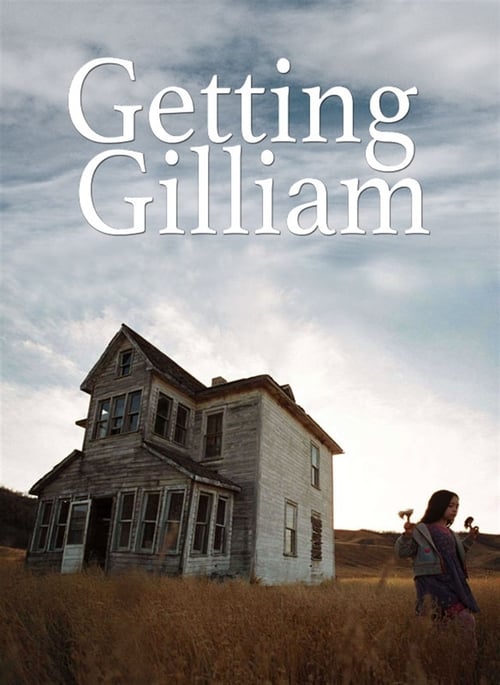
Getting Gilliam
2005
No user ratings available yet
Representation score: 4.2 out of 10

Representation Score
Fair
2019
Director
Louis Pepe, Keith Fulton
Runtime
83 minutes
Average Rating
No ratings yetNew Showbiz Analysis
He Dreams of Giants is a sophisticated study of identity that succeeds by challenging traditional archetypes. It excels in the psychological exploration of gendered expectations and the complexities of queer identity, offering a nuanced look at how individuals navigate societal pressures. However, the film lacks significant racial and ethnic diversity. The cast remains largely homogeneous, limiting the scope of its social commentary to a narrower demographic focus. Ultimately, the documentary serves as a personal, existential inquiry. While it lacks broad cultural variety, it provides a meaningful critique of the systemic structures that enforce rigid social roles.
Category Breakdown
The film delves into identity through internal discovery. It avoids stereotypes, focusing on the psychological journey of navigating non-traditional identities within conventional settings.
The story challenges traditional masculinity by highlighting the tension between patriarchal expectations and individuality. It dismantles rigid gender hierarchies through the protagonist's journey.
The film features a mostly homogeneous cast. It does not emphasize non-Anglo-Saxon perspectives or use color-blind casting within its specific context.
The story explores subjective morality and the breakdown of established systems. It offers an existential look at purpose without explicit political messaging.
There are no characters with visible or invisible disabilities. Disability is not used as a central narrative device in this work.
Present on Screen
Limited or Absent
Official Synopsis
15 years after "Lost in la Mancha", Keith Fulton and Louis Pepe come back to follow Terry Gilliam's new (successful) attempt at filming "The Man Who Killed Don Quixote".
2005

2002

2011

2003

1996

2013

1992

2017
No reviews yet. Be the first to share your thoughts on this movie!
Use the rating form above to leave a star rating and optional review.