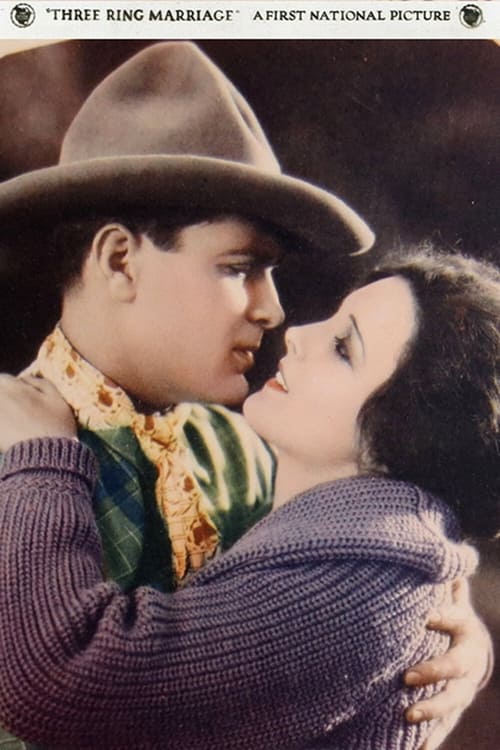
3-Ring Marriage
1928
No user ratings available yet
Representation score: 2.3 out of 10
Representation Score
Minimal
1921
PassedDirector
Harry B. Harris
Runtime
50 minutes
Average Rating
No ratings yetNew Showbiz Analysis
The Man Tamer is a typical silent-era melodrama that emphasizes traditional romantic clichés over progressive narrative structures. Although the female lead's role as a lion tamer offers a minor deviation from traditional domestic roles, her motivations remain centered around her romantic pursuits. The film upholds established social hierarchies by highlighting the class differences between a wealthy heir and a circus manager. This approach reinforces the status quo rather than questioning it. Overall, the film lacks meaningful representation of LGBTQ+ identities, diverse ethnicities, or disabilities, sticking to the conventions of 1921 cinema.
Category Breakdown
The film focuses on a traditional heterosexual love triangle and does not include any characters with non-binary gender identities or critiques of the assumption that everyone is straight.
A female protagonist works as a lion tamer, which is a departure from typical domestic roles. However, her actions and decisions are largely influenced by her romantic relationships within a male-dominated environment.
The film does not feature any actors from diverse ethnic backgrounds, suggesting it adheres to the homogeneous casting practices common during the early silent film era.
The storyline follows a conventional Western melodrama format, emphasizing class distinctions between a wealthy heir and a circus manager. This setup reinforces existing social hierarchies rather than challenging them.
There are no characters with physical or neurodevelopmental disabilities in this film.
Present on Screen
Limited or Absent
Official Synopsis
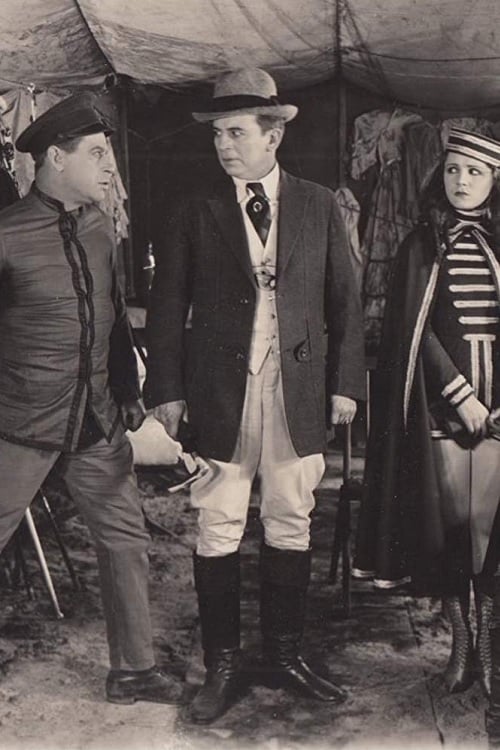
A young woman becomes a lion tamer in a circus. The circus manager is in love with her, but she only has eyes for a millionaire's playboy son.
1928
1928
1921

1952
1932
1932
1938

1921
No reviews yet. Be the first to share your thoughts on this movie!
Use the rating form above to leave a star rating and optional review.