
Immortals
2011
No user ratings available yet
Representation score: 5.3 out of 10
Representation Score
Fair
2013
PG-13Director
Carl Rinsch
Runtime
119 minutes
Average Rating
No ratings yetNew Showbiz Analysis
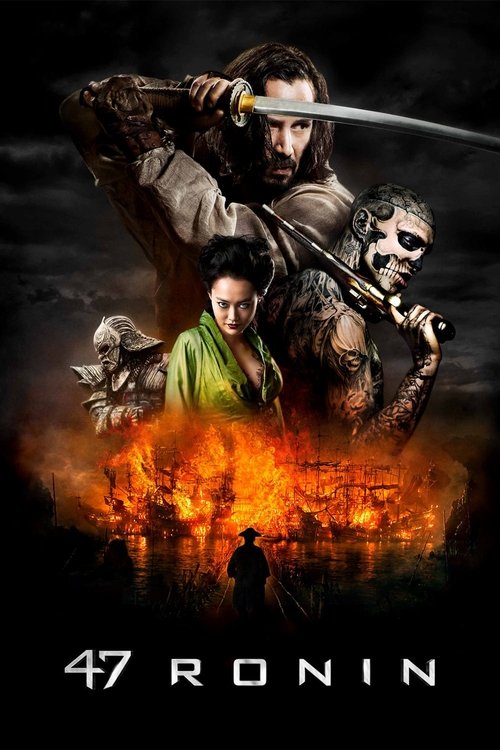
47 Ronin uses the protagonist's mixed-race identity to explore themes of belonging and social alienation. However, the film remains constrained by traditional gender roles and a lack of representation for LGBTQ+ and disabled characters. The action is strictly male-driven, and social dynamics adhere to conventional patterns. Ultimately, the film critiques institutional corruption and racial identity, yet falls short in providing depth in other areas of diversity.
Category Breakdown
The film does not include any LGBTQ+ characters or non-straight relationships. The social and romantic dynamics focus solely on traditional heterosexual relationships, particularly the protagonist's relationship with Princess Mika.
The story follows feudal Japanese patriarchal structures. Female characters primarily serve as emotional or political catalysts rather than active participants in the action. Princess Mika, for example, uses her political influence to shape the succession, but her role is largely confined to emotional support and political maneuvering.
The narrative centers on a 'half-breed' protagonist named Kai, played by mixed-race and Western/East Asian actors. This casting choice disrupts the homogeneity typically found in historical period pieces, highlighting issues of racial identity and belonging.
The plot explores moral relativism by depicting the central authority as corrupt. Justice is pursued through vigilantism, suggesting true honor lies in rebelling against a broken system.
There is no meaningful representation of physical or neurodivergent disabilities. Characters are defined by their martial prowess and social status rather than any lived experience with disability.
Present on Screen
Limited or Absent
Official Synopsis
Kai—an outcast—joins Oishi, the leader of 47 outcast samurai. Together they seek vengeance upon the treacherous overlord who killed their master and banished their kind. To restore honour to their homeland, the warriors embark upon a quest that challenges them with a series of trials that would destroy ordinary warriors.
2011
2014
2017
2014
2010
2015
2022
2000
No reviews yet. Be the first to share your thoughts on this movie!
Use the rating form above to leave a star rating and optional review.