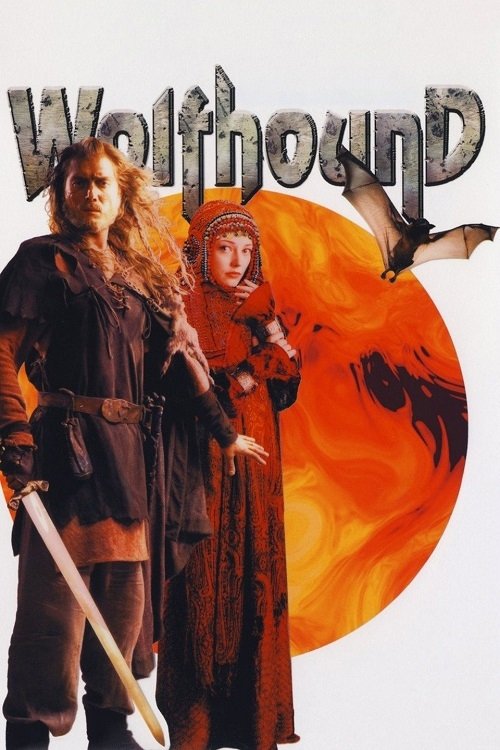
Wolfhound of the Grey Dog Clan
2006
No user ratings available yet
Representation score: 3.1 out of 10
Representation Score
Fair
2014
RDirector
Toa Fraser
Runtime
108 minutes
Average Rating
No ratings yetNew Showbiz Analysis
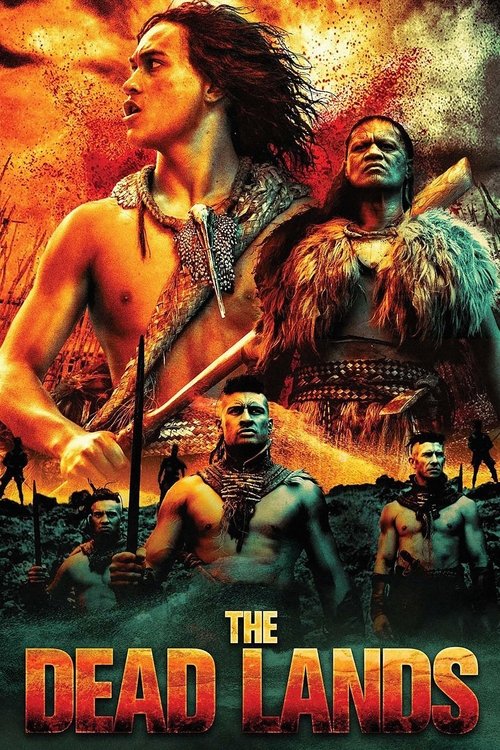
The Dead Lands is a significant work of post-colonial cinema that successfully disrupts the action genre's typical Western-centric clichés. By centering Māori customs and language, it presents an indigenous perspective as a complete and valid social system. However, the film operates within a strictly traditional hierarchy. The narrative focus on masculine warriorhood and tribal structures results in limited representation for gender diversity and LGBTQ+ identities. Ultimately, the film's profound reclamation of indigenous identity and cultural sovereignty outweighs its adherence to conventional gender roles, making it a vital piece of non-Western storytelling.
Category Breakdown
The film follows a conventional focus on straight relationships and does not include non-cisgender gender identities or same-sex intimacy in the main character arcs.
The story emphasizes masculine rites of passage and warriorhood. Men's control over the story is emphasized, reinforcing traditional gender roles and hierarchies.
The film stands out by using an entirely Māori cast. It highlights Māori customs and language, breaking Anglo-centric norms by presenting a non-Western worldview as central.
The narrative centers on tribal ethics and ritualistic justice, prioritizing ancestral honor and indigenous social codes over Western moral frameworks.
There are no prominent depictions of physical or neurodivergent disabilities that play a central role in the plot or character development.
Present on Screen
Limited or Absent
Official Synopsis
Hongi, a Maori chieftain’s teenage son, must avenge his father’s murder in order to bring peace and honour to the souls of his loved ones after his tribe is slaughtered through an act of treachery. Vastly outnumbered by a band of villains led by Wirepa, Hongi’s only hope is to pass through the feared and forbidden “Dead Lands” and forge an uneasy alliance with a mysterious warrior, a ruthless fighter who has ruled the area for years.
2006
2017
1959
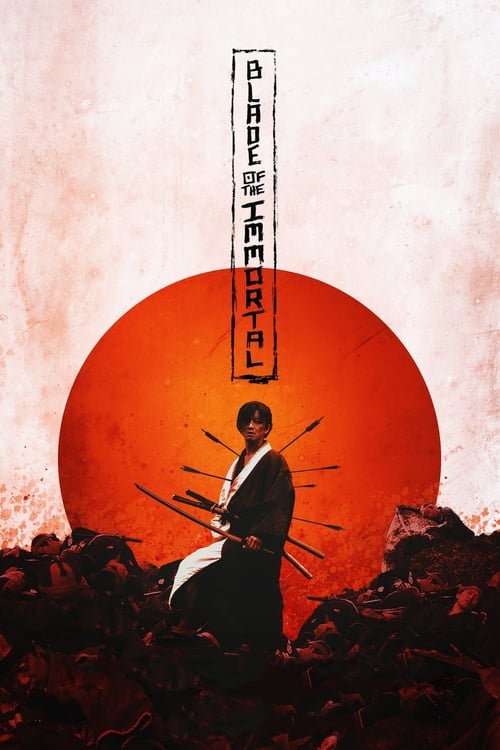
2017
1977
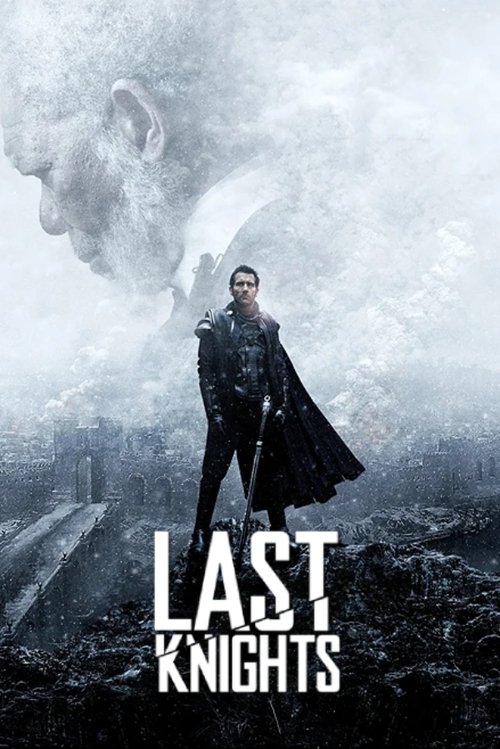
2015

2008
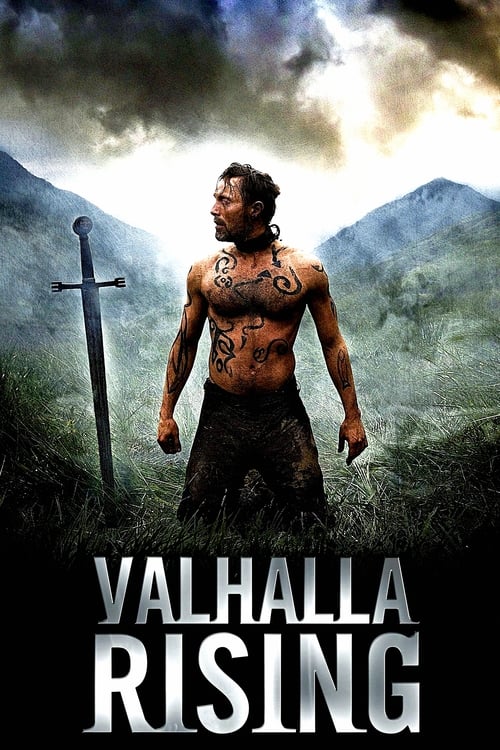
2010
No reviews yet. Be the first to share your thoughts on this movie!
Use the rating form above to leave a star rating and optional review.