
Immortals
2011
No user ratings available yet
Representation score: 5.3 out of 10
Representation Score
Limited
2017
PG-13Director
Guy Ritchie
Runtime
126 minutes
Average Rating
No ratings yetNew Showbiz Analysis
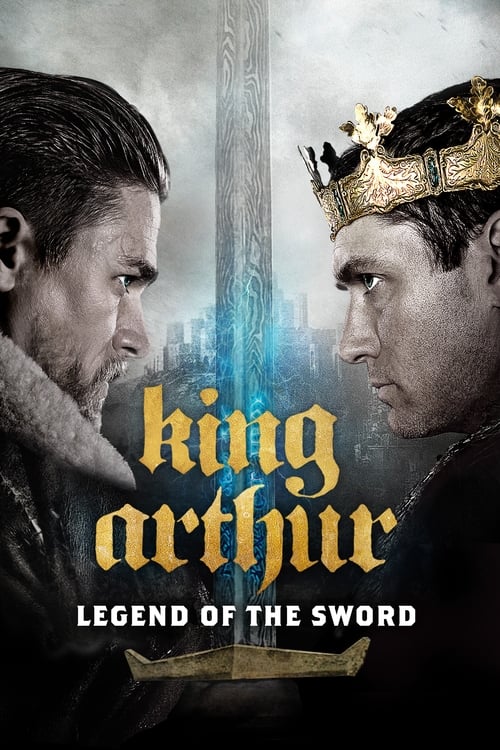
Guy Ritchie’s retelling of the Arthurian myth succeeds in its visual and ethnic revisionism. By replacing the typical white-washed historical aesthetic with a multicultural ensemble, the film challenges genre expectations and presents a more diverse post-Roman Britain. However, the narrative remains anchored in conventional storytelling structures. The story is heavily driven by masculine archetypes and fraternal bonds, leaving little room for gender subversion or LGBTQ+ representation. While the racial diversity is a significant strength, the lack of engagement with other underrepresented identities keeps the overall score moderate.
Category Breakdown
The film follows a traditional framework that assumes everyone is straight and cisgender. There are no visible depictions of non-binary gender identities or stories involving LGBTQ+ themes.
The story centers around a male-dominated framework focused on brotherhood and patriarchal leadership. Female characters such as Viviane play secondary roles within the male-driven action plot.
The production breaks the Anglo-Saxon mold by featuring a diverse cast and a multi-ethnic street gang. This choice showcases a mix of identities in a mythical historical setting.
The narrative highlights the hero as a product of systemic neglect rather than traditional nobility, focusing on class struggles and the deconstruction of authority.
There are no prominent depictions of visible or invisible disabilities used as central narrative drivers or plot devices.
Present on Screen
Limited or Absent
Official Synopsis
When the child Arthur’s father is murdered, Vortigern, Arthur’s uncle, seizes the crown. Robbed of his birthright and with no idea who he truly is, Arthur comes up the hard way in the back alleys of the city. But once he pulls the sword Excalibur from the stone, his life is turned upside down and he is forced to acknowledge his true legacy... whether he likes it or not.
2011

2004
2013
2010
1996

2019
2022
2016
No reviews yet. Be the first to share your thoughts on this movie!
Use the rating form above to leave a star rating and optional review.