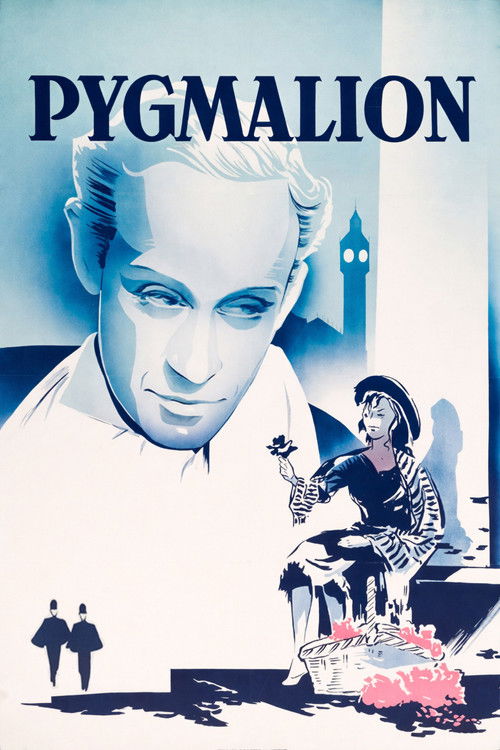
Pygmalion
1938
No user ratings available yet
Representation score: 5.1 out of 10
Representation Score
Limited
1964
GDirector
George Cukor
Runtime
173 minutes
Average Rating
No ratings yetNew Showbiz Analysis
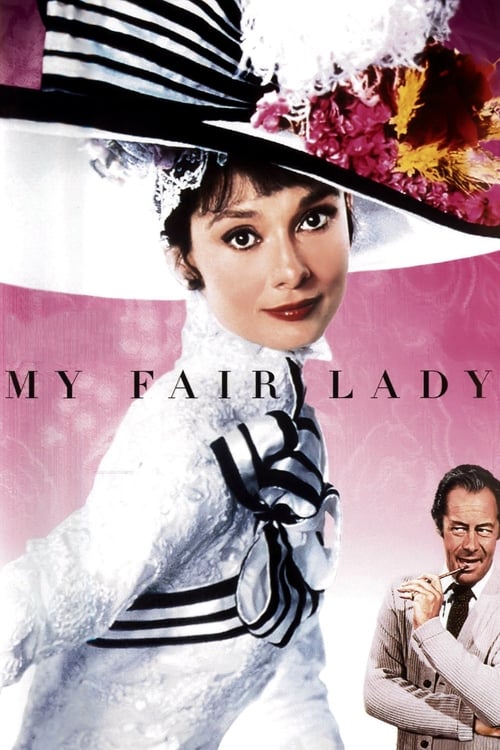
My Fair Lady is a period-specific exploration of class mobility rather than a modern inclusive text. It lacks racial and LGBTQ+ diversity, which affects its overall score negatively. However, the film earns moderate credit by challenging gendered power dynamics. The narrative positions the female protagonist as the driver of her own identity, rather than a mere object of study. The film's critique of the British class system adds a layer of social commentary that disrupts the traditional status quo of the musical genre.
Category Breakdown
The film adheres to a framework that assumes everyone is straight or cisgender. There are no queer subtexts or non-assuming gender matches what was assigned at birth identities among the main characters.
Eliza Doolittle challenges traditional gender roles by gaining significant autonomy. She evolves from a passive subject to a woman who asserts her intellect and moral superiority.
The cast is predominantly white and Anglo-Saxon, reflecting the demographic homogeneity of Edwardian London. The story emphasizes class distinctions without addressing ethnic diversity.
The narrative criticizes rigid social hierarchies and the superficial nature of the aristocracy. It portrays upper-class institutions as shallow and intellectually hollow.
There are no prominent depictions of visible or invisible disabilities. Characters with disabilities are not used as plot devices.
Present on Screen
Limited or Absent
Official Synopsis
A snobbish phonetics professor agrees to a wager that he can take a flower girl and make her presentable in high society.
1938
1950
1961
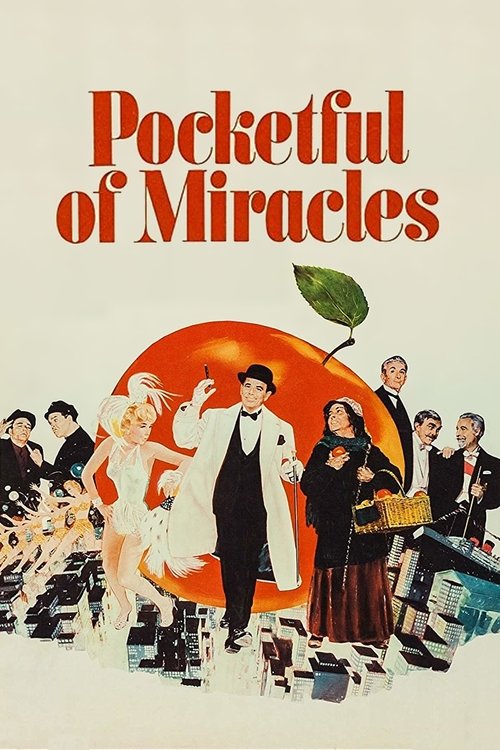
1961
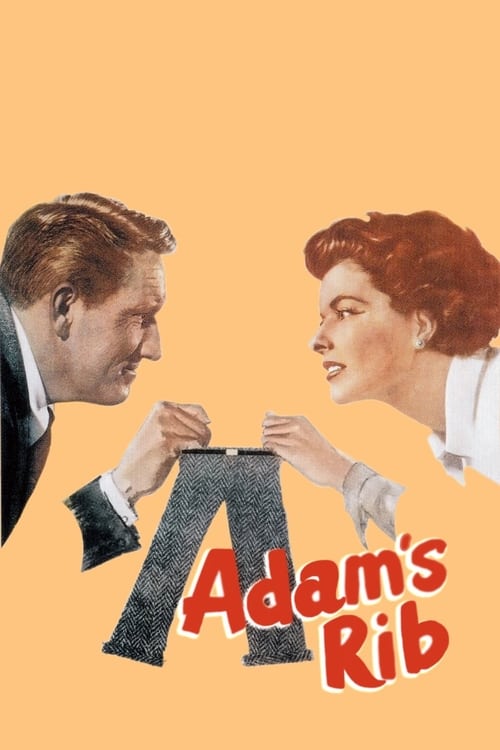
1949
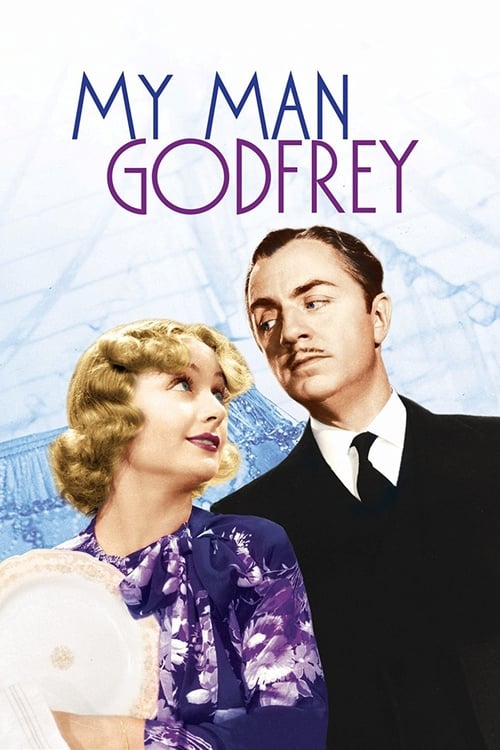
1936
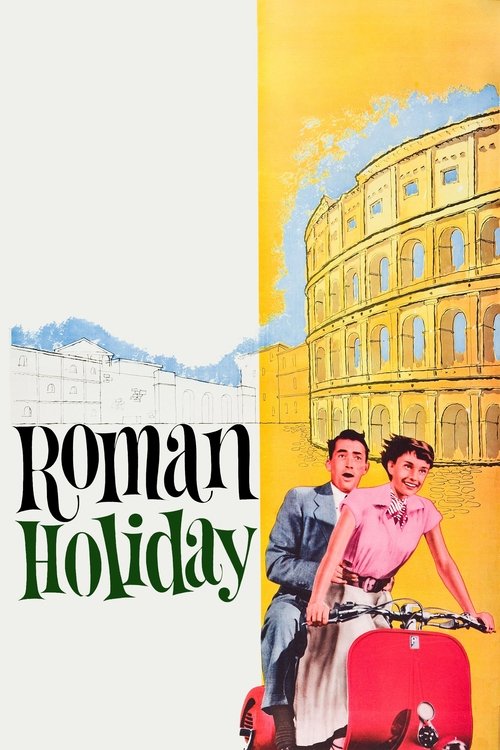
1953
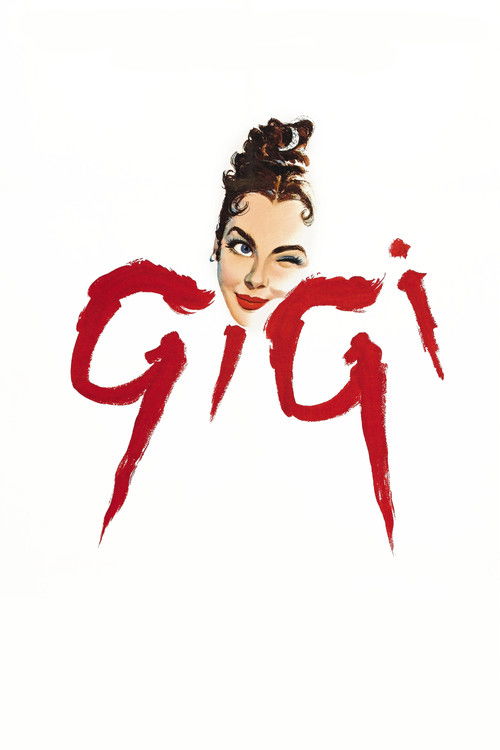
1958
No reviews yet. Be the first to share your thoughts on this movie!
Use the rating form above to leave a star rating and optional review.