
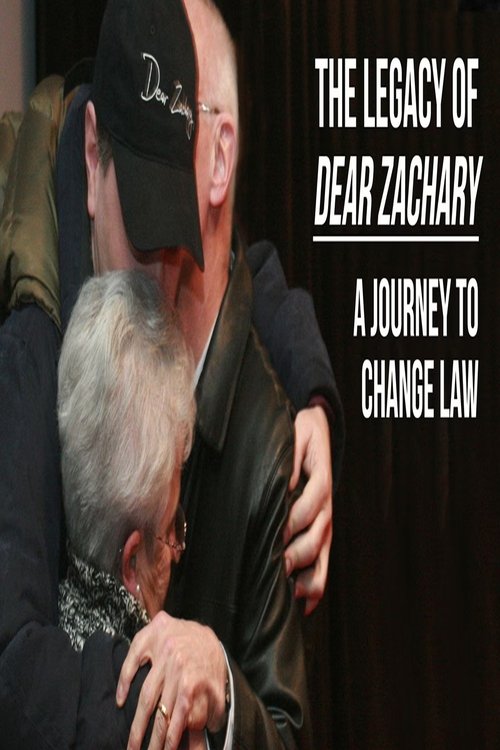
Dear Zachary: A Letter to a Son About His Father
2008
No user ratings available yet
Representation score: 4.7 out of 10
Representation Score
Good
2013
Director
Kurt Kuenne
Runtime
14 minutes
Average Rating
No ratings yetNew Showbiz Analysis
The documentary examines institutional accountability and systemic reform. It moves from personal tragedy to legislative change within the Canadian criminal code. While the film lacks broad demographic diversity, it excels in critiquing institutional rigidity. It argues for rebuilding the legal framework to better serve human needs. Ultimately, the work is driven by the pursuit of social justice, focusing on the ability to act of individuals fighting systemic failures.
Category Breakdown
The film focuses on a family structure that assumes everyone is straight and cisgender. There are no specific LGBTQ+ character arcs or explorations of non-cisgender identities.
The film highlights the resilience of the female lead, who navigates grief and legal battles. This disrupts traditional views of passive female mourning.
The documentary focuses on a legal struggle within a Canadian context. It does not emphasize multi-ethnic or non-Anglo-Saxon representation.
The film critiques traditional Western legal institutions as ineffective. It emphasizes the need for systemic change to address the limitations of established state power.
The film addresses psychological trauma and the mental health implications of grief. However, it does not focus on visible or neurodivergent disabilities.
Present on Screen
Limited or Absent
Official Synopsis
This short documentary chronicles the completion and release of the feature documentary "Dear Zachary: A Letter to a Son About His Father" and the subsequent journey to amend the Canadian criminal code. It is intended as an epilogue to "Dear Zachary" and offered as a thank you to those who supported this effort and made this change happen.
2008

2015
2005

2011

2014
1978
2023

2012
No reviews yet. Be the first to share your thoughts on this movie!
Use the rating form above to leave a star rating and optional review.