
Lucky Break
2001
No user ratings available yet
Representation score: 4.6 out of 10
Representation Score
Limited
1979
PG-13Director
Dick Clement
Runtime
93 minutes
Average Rating
No ratings yetNew Showbiz Analysis
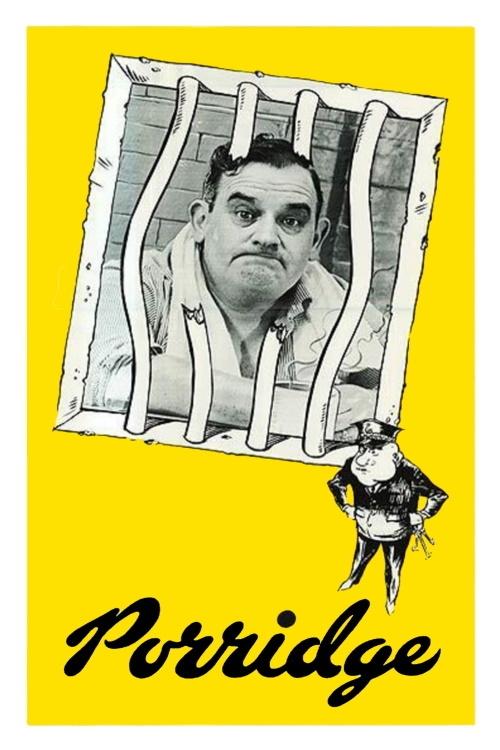
Porridge (1979) is a character-driven comedy that examines class dynamics and the tension between inmates and authority. It successfully deconstructs institutional power by focusing on the experiences of underrepresented prisoners navigating a flawed system. However, the film lacks a broad range of identities. The demographic makeup remains traditional, emphasizing class-based conflict over a diverse array of identities. The male-dominated setting and absence of visible LGBTQ+ or racial representation limit its social scope. Ultimately, the work serves as a specific examination of social hierarchy within the British penal system, prioritizing systemic critique over demographic diversity.
Category Breakdown
The film does not include any LGBTQ+ characters or stories. The plot revolves around traditional power dynamics between prisoners and officers without addressing non-straight or non-cisgender identities.
The story centers on a male-dominated prison environment. Male characters like Fletcher and Grouty hold significant influence, while female characters play minor roles.
The setting implies a focus on the British working class within a traditional framework. There is no indication of a diverse or non-Anglo-Saxon cast.
The film challenges respect for Western institutions by presenting the penal system as a site of conflict. It emphasizes individual survival over institutional loyalty and state authority.
There is no specific information about the inclusion of characters with physical or neurodivergent disabilities.
Present on Screen
Limited or Absent
Official Synopsis
Times are hard for habitual guest of Her Majesty Norman Stanley Fletcher. The new prison officer, Beale, makes MacKay look soft and what's more, an escape plan is hatching from the cell of prison godfather Grouty and Fletcher wants no part of it.
2001
1960
1960

1958
2005
1985
1982

2009
No reviews yet. Be the first to share your thoughts on this movie!
Use the rating form above to leave a star rating and optional review.