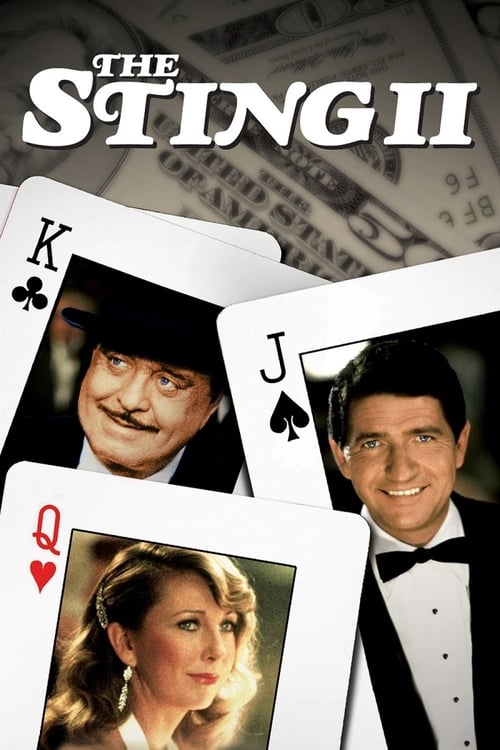
The Sting II
1983
No user ratings available yet
Diversity score: 3.6 out of 10

1973
NC-17Director
Martin Campbell
Runtime
89 minutes
Average Rating
No ratings yetSynopsis
A struggling pulp fiction writer who doubles as an incompetent jewel thief. He gets caught in the act every time, but he uses his looks and charm to make the best of it. Soon he becomes a celebrity. Wealthy women start leaving their jewels out like milk and cookies for Santa Claus in hopes that the sex thief will unlawfully invade their domiciles.
Overall Score
Limited
Category Breakdown
LGBTQ+ Representation
The film centers on heteronormative sexual dynamics. The plot focuses on a male protagonist using charm to interact with women, offering no evidence of non-cisnormative identities.
Gender Representation
Gender roles rely on established tropes. The male lead drives the plot through charm, while female characters are depicted with a level of passivity in the power dynamic.
Racial & Ethnic Diversity
The narrative lacks specific information regarding racial or ethnic composition. Given the 1973 era and genre, the film likely defaults to a homogeneous casting structure.
Religious & Cultural Diversity
The story engages with themes of crime and celebrity through traditional escapism. It focuses on wealth and jewelry rather than systemic critique or anti-establishment sentiment.
Disability Representation
There is no mention of characters with visible or invisible disabilities. No evidence exists to support an analysis of neurodivergence or physical disability.
Strengths
Areas for Improvement
AI Analysis
The Sex Thief operates within the conventional social hierarchies of 1973 genre cinema. It prioritizes a standard 'rise to celebrity' arc that reinforces rather than challenges the era's social norms. The narrative architecture is built on traditional masculine charm and a preoccupation with capitalist pursuits like wealth and jewelry. This focus suggests a lack of intentional subversive or progressive commentary. Ultimately, the film functions as a piece of escapist comedy. It relies on established tropes and heteronormative frameworks rather than exploring intersectional or diverse perspectives.
1983

1996

1967
1961

1964
1976

1980

1962
1946

1989
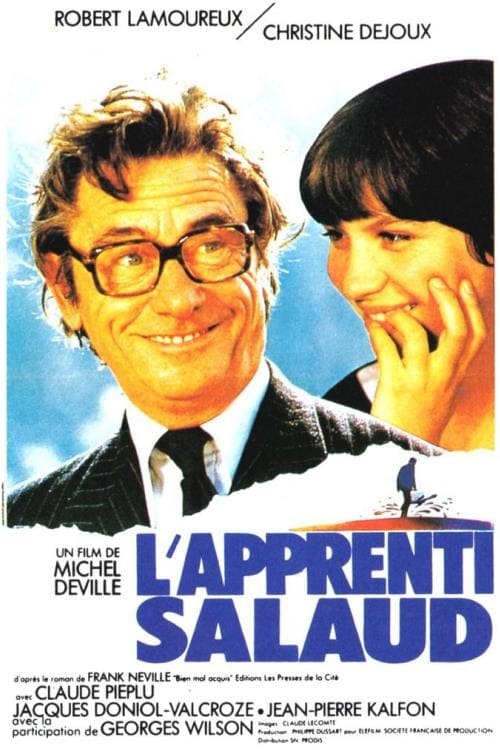
1977

1968
No reviews yet. Be the first to share your thoughts on this movie!
Use the rating form above to leave a star rating and optional review.