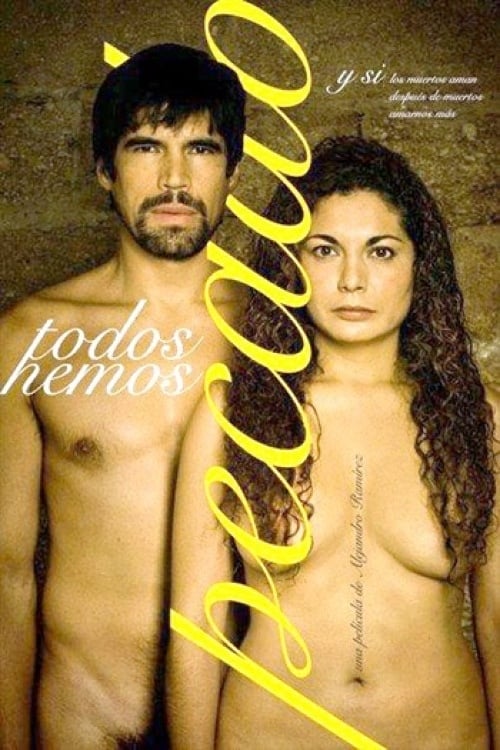
Todos hemos pecado
2011
No user ratings available yet
Representation score: 5.3 out of 10
Representation Score
Good
1988
Director
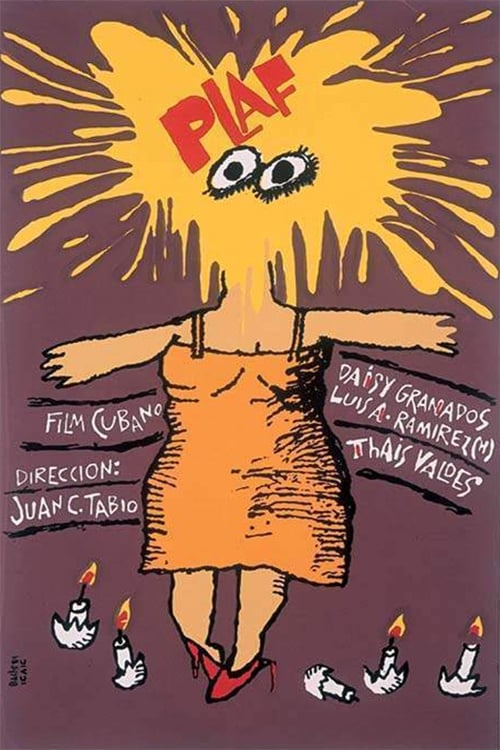
Juan Carlos Tabío
Runtime
92 minutes
Average Rating
No ratings yetNew Showbiz Analysis
Juan Carlos Tabío’s film uses satire and surrealism to critique institutional rigidity and bureaucratic constraints. By focusing on a Cuban perspective, the film effectively disrupts Western narrative dominance and challenges traditional power dynamics. The film excels in its cultural positioning and use of satire to critique social structures. However, it lacks specific, verifiable evidence regarding LGBTQ+ and disability representation, limiting the overall score.
Category Breakdown
The film uses a surrealist approach to explore individuality within a collective framework. However, there is no clear depiction of queer character arcs or stories.
A middle-aged woman drives the main mystery and romantic storyline, showing strong ability to act. The film's satirical tone helps challenge traditional gender roles and hierarchies.
Set in Cuba, the film reflects a non-white majority population and operates outside Western dominance. The setting and cast provide a natural departure from typical Hollywood narratives.
The film uses absurdity to critique bureaucratic and social institutions. It emphasizes individual subjectivity over state or religious dogma, highlighting the friction between personal freedom and institutional constraints.
There is no clear depiction of physical disabilities or neurodivergence. Surrealist elements might hint at social non-conformity, but there is no confirmed intentional representation of disabilities.
Present on Screen
Limited or Absent
Official Synopsis
A superstitious middle-aged woman falls in love with a taxi driver, while trying to learn the identity of the unseen person tossing eggs at her.
2011

1976

1962

1992

2014

1998

2008
2002
No reviews yet. Be the first to share your thoughts on this movie!
Use the rating form above to leave a star rating and optional review.