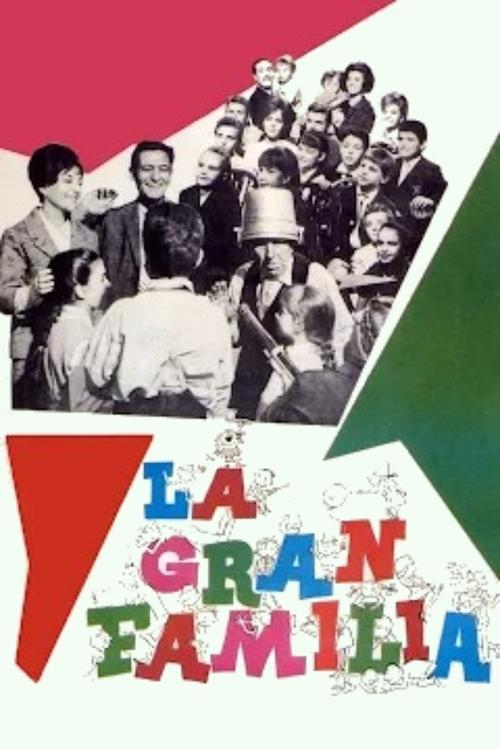
The Big Family
1962
No user ratings available yet
Representation score: 2.1 out of 10

Representation Score
Good
1979
PGDirector
Héctor Olivera
Runtime
73 minutes
Average Rating
No ratings yetNew Showbiz Analysis
Héctor Olivera’s *La Nona* is a sophisticated critique of social structures that challenges traditional institutions through narrative subversion. While the film does not feature diverse representations of race, gender identity, or sexual orientation, it excels in deconstructing the stability of Western domestic ideals. The film’s strength lies in its ability to portray the family as an exhausting and destructive force, moving beyond simple comedy into a deeper systemic critique. However, the film remains anchored in the socioeconomic context of the Argentine bourgeoisie, resulting in a homogeneous cast and a lack of representation for underrepresented identities or specific disabilities.
Category Breakdown
The film follows the social norms of late-1970s Argentina and does not include any non-straight or non-cisgender identities or same-sex relationships.
The film centers the domestic sphere through a female perspective, highlighting the emotional labor and control of female characters.
The cast mainly consists of actors representing the upper-middle-class of Argentina during that time period, without using diverse casting to challenge demographic norms.
The film criticizes the nuclear family as a destructive force by showing it as a site of depletion and exhaustion.
The grandmother's insatiable appetite serves as a metaphorical device for consumption, used to advance the plot rather than as a nuanced portrayal of disability.
Present on Screen
Limited or Absent
Official Synopsis
The story about a family that must maintain an insatiable grandmother.
1962
1985

1962

1984
2023

2004
1975
2023
No reviews yet. Be the first to share your thoughts on this movie!
Use the rating form above to leave a star rating and optional review.