
The Code of Honor
1930
No user ratings available yet
Representation score: 0.9 out of 10
Representation Score
Minimal
1935
ApprovedDirector
Nick Grindé
Runtime
63 minutes
Average Rating
No ratings yetNew Showbiz Analysis
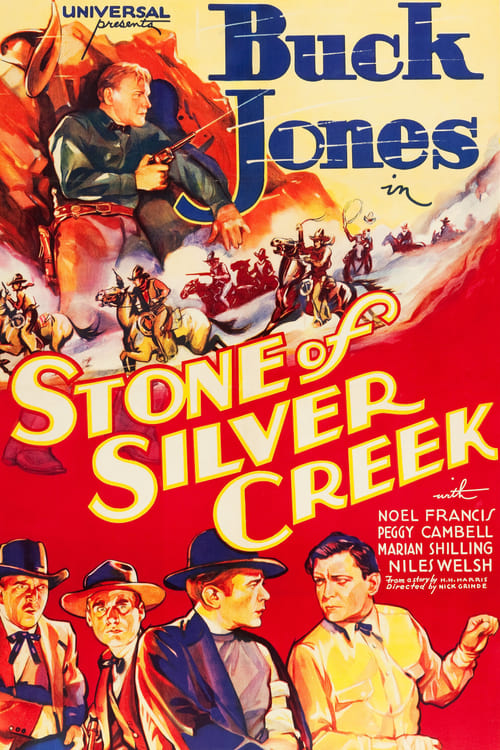
Stone of Silver Creek is a quintessential 1930s B-Western that prioritizes genre conventions over social complexity. The film reinforces the era's standard archetypes, focusing on a masculine protagonist and a traditional moral landscape. The narrative structure upholds established social hierarchies, particularly regarding gender and religious morality. It functions as a stabilized view of frontier life rather than a work that seeks to challenge or expand upon the social norms of its time.
Category Breakdown
The film centers on traditional social structures typical of 1930s Westerns. There is no evidence of LGBTQ+ identities or same-sex intimacy.
Character dynamics follow a conventional hierarchy. While the female lead is described as goodhearted, she primarily serves as an aesthetic accompaniment to the male protagonist.
The narrative appears to follow traditional demographic norms. There is no mention of diverse ethnic casting or non-white characters with significant roles.
The setting is rooted in traditional Western values and religious morality. The plot focuses on the tension between frontier vice and community piety.
There is no information available regarding the portrayal of physical or neurodivergent disabilities in this film.
Present on Screen
Limited or Absent
Official Synopsis
In perhaps the most tranquil B-Western of the 1930s, Buck Jones, who also produced, plays the tough but goodhearted proprietor of the Bonanza, the only gambling establishment in otherwise God-fearing Silver Creek. Noel Francis, who used to play blonde schemers in Warner Bros. gangster films, earns second billing as the casino's equally goodhearted chanteuse.
1930
1939
1930
1936
1932
1932

1924
1932
No reviews yet. Be the first to share your thoughts on this movie!
Use the rating form above to leave a star rating and optional review.