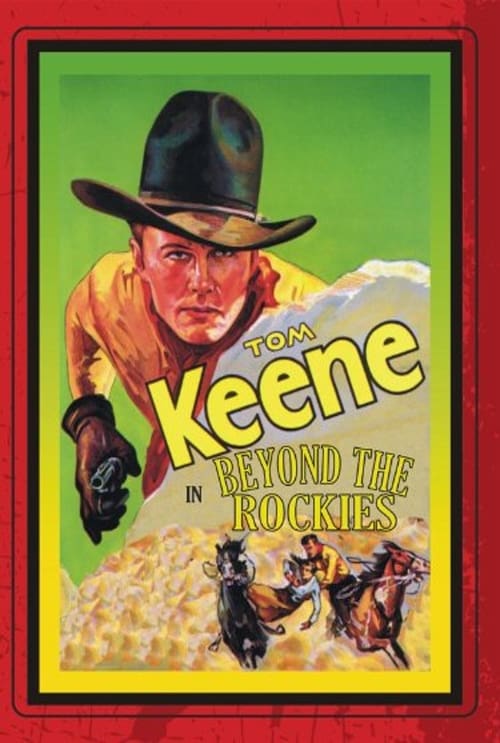
Beyond the Rockies
1932
No user ratings available yet
Representation score: 1.3 out of 10
Representation Score
Minimal
1932
GDirector
Harry L. Fraser
Runtime
52 minutes
Average Rating
No ratings yetNew Showbiz Analysis
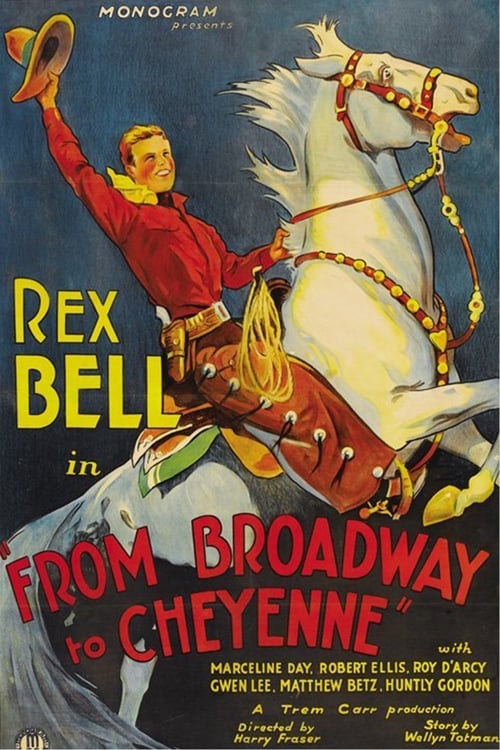
Broadway to Cheyenne is a product of the early 1930s studio system, emphasizing linear morality and traditional Western themes. The film operates as a standard genre piece, centered around a cowboy detective battling urban corruption. Due to its reliance on traditional archetypes, the film offers limited deviation from the social norms of its time. It reinforces conventional gender, racial, and cultural hierarchies. Ultimately, the film captures the essence of early B-Western cinema, where character roles are tied to traditional masculine leadership and Anglo-centric narratives.
Category Breakdown
The film does not include any LGBTQ+ characters or narratives. It strictly adheres to the social norms of 1932, without challenging the assumption that everyone is straight or cisgender.
The story focuses on a masculine cowboy detective, reinforcing traditional gender roles. Female characters likely have passive or domestic roles typical of the era.
The film likely reflects a predominantly white, Anglo-Saxon perspective common to early Westerns. There is no evidence of significant characters of color with substantial roles.
The narrative follows a traditional morality play about protecting frontier communities. It reinforces standard Western values of law and order against outside corruption.
There is no evidence of characters with visible or invisible disabilities in the film.
Present on Screen
Limited or Absent
Official Synopsis
A cowboy detective goes up against a gang of big-city thugs trying to set up a protection racket out west.
1932
1939
1937
1934
1933
1936
1937
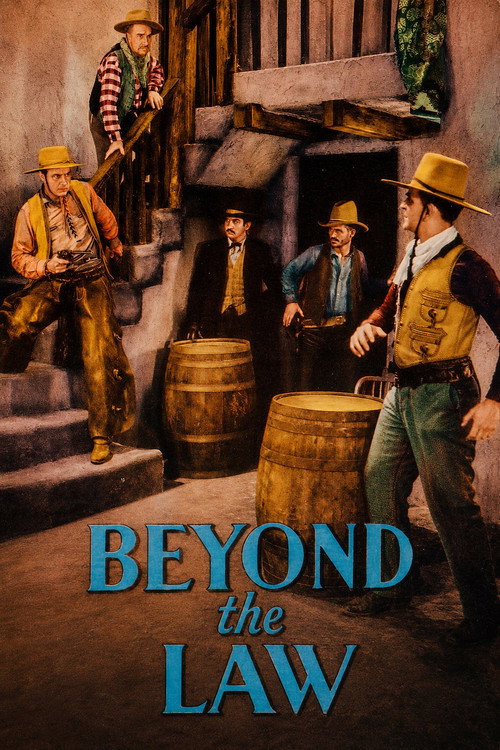
1930
No reviews yet. Be the first to share your thoughts on this movie!
Use the rating form above to leave a star rating and optional review.