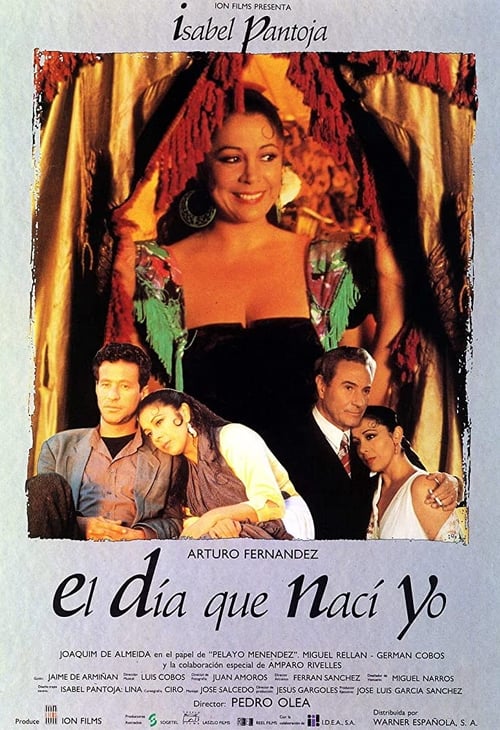
El día que nací yo
1991
No user ratings available yet
Representation score: 6.1 out of 10
Representation Score
Limited
1968
Director
Pedro Olea
Runtime
88 minutes
Average Rating
No ratings yetNew Showbiz Analysis
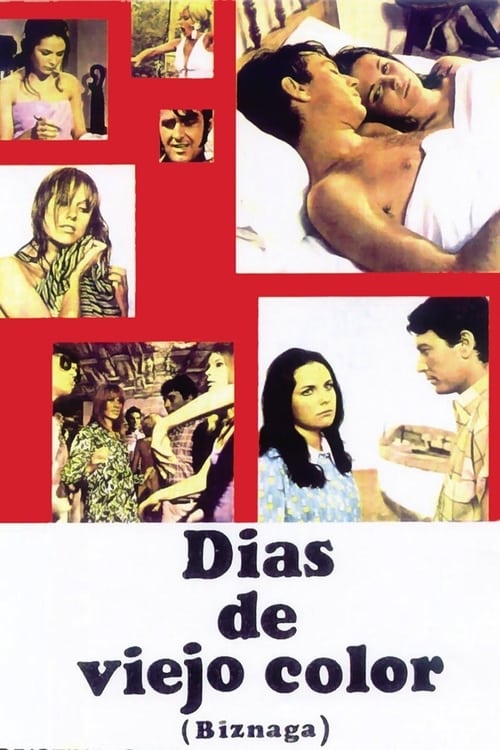
Días de viejo color is a character-driven drama that examines the tension between social facades and personal truth during a holiday setting. The film highlights the superficiality of luxury and questions the integrity of social institutions. However, it lacks explicit markers of diversity and representation for underrepresented identities, limiting its progressive impact.
Category Breakdown
The film features three friends who share intense emotions and flirtatious interactions. However, it does not explicitly depict characters with defined LGBTQ+ identities or arcs.
The story centers around romantic and emotional experiences within high-society settings. It may hint at critiquing performative gender roles, but lacks clear evidence of strong women's ability to drive the story.
Set in 1960s Torremolinos, the film reflects the era's homogeneous population. There is no indication of a racially diverse or non-Anglo-Saxon majority cast.
The story contrasts true love with the superficiality of luxury and splendor. This offers a moderate critique of materialist and class-based social structures.
The film does not include any characters navigating physical, sensory, or neurodivergent experiences.
Present on Screen
Limited or Absent
Official Synopsis
In the Easter holidays of 1967, three friends come to Torremolinos willing to flirt and experience strong emotions. Contact with a new environment, in which while some find the lies that hide behind the luxury and splendor and dangers that accompany life easier, others find true love.
1991
1980

1957

1960

1982
1989
1967
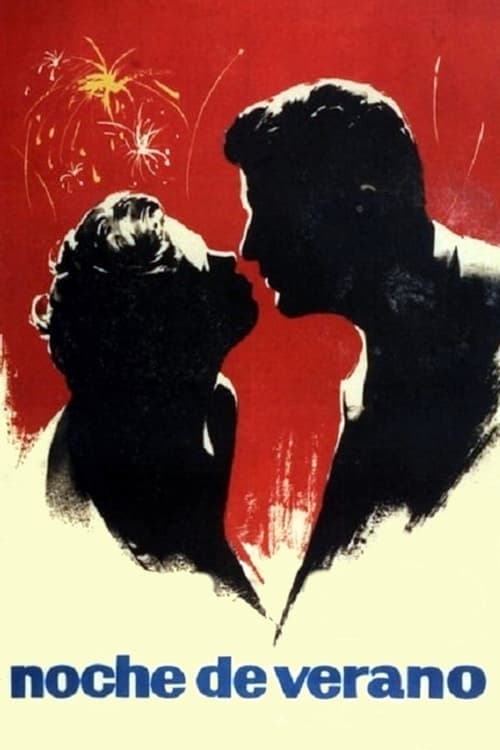
1963
No reviews yet. Be the first to share your thoughts on this movie!
Use the rating form above to leave a star rating and optional review.