La vida de Pedro Infante
1966
No user ratings available yet
Representation score: 2.3 out of 10
Representation Score
Minimal
1966
Director
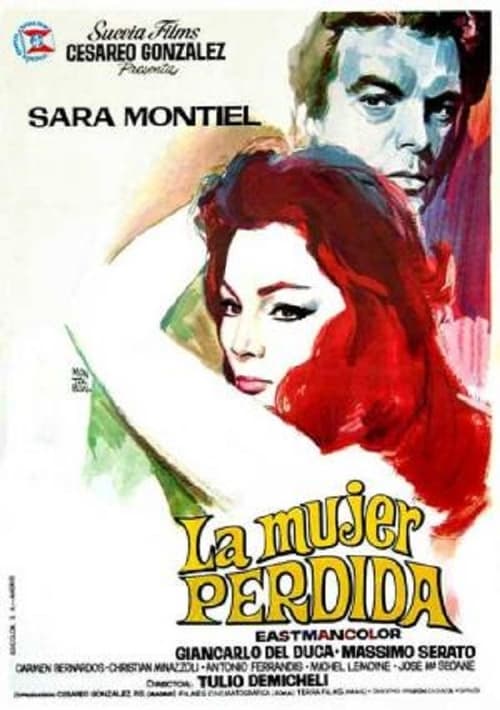
Tulio Demicheli
Runtime
105 minutes
Average Rating
No ratings yetNew Showbiz Analysis
La mujer perdida is a period drama centered on individual ambition and social transition. The narrative follows Sara's journey from a fishing village to the professional music scene of Madrid, emphasizing her personal ability to act through her career as a flamenco singer. While Sara drives her own trajectory, the film remains rooted in the cinematic conventions of 1966. It lacks evidence of the way different parts of someone's identity overlap or the disruption of established social norms. The production appears to focus on traditional dramatic themes, prioritizing a localized Spanish experience over broader social or systemic critiques.
Category Breakdown
The film does not include any LGBTQ+ identities or visible critiques of the assumption that everyone is straight or cisgender. There are no characters that challenge these norms.
Sara takes a leading role in the story as she pursues a professional career in Madrid. However, the film does not clearly address the issue of gender hierarchies or roles.
The story focuses on a localized Spanish setting and maintains a homogeneous cultural focus without presenting multi-ethnic perspectives.
The plot explores the tension between rural traditions and urban modernity, following a standard dramatic progression without challenging broader social norms.
There is no information available regarding the portrayal of physical or neurodivergent characters.
Present on Screen
Limited or Absent
Official Synopsis
Sara is the daughter of a fisherman. She leaves her small village but she goes to Madrid to work as a flamenco singer in a club
1966
1959
1946

2016
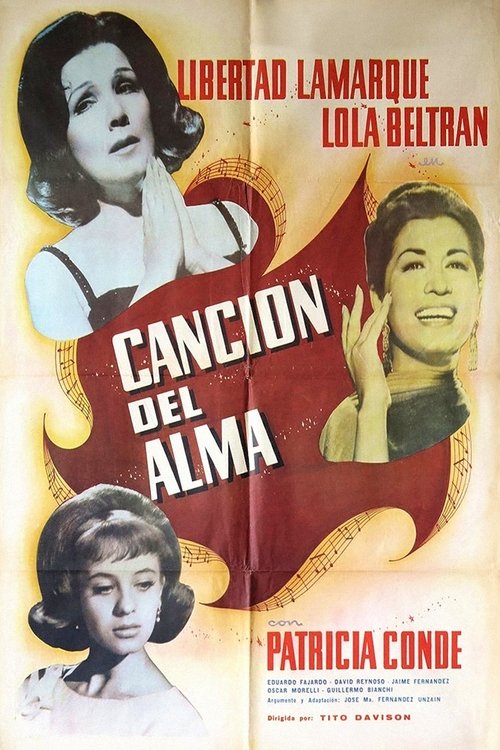
1964
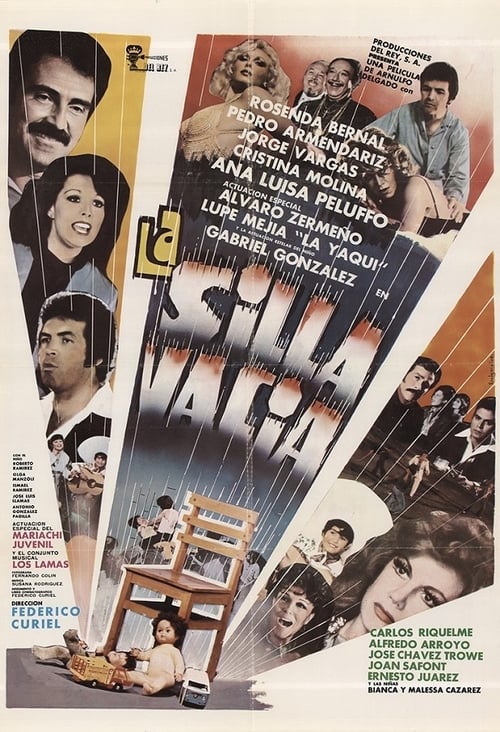
1984

2017
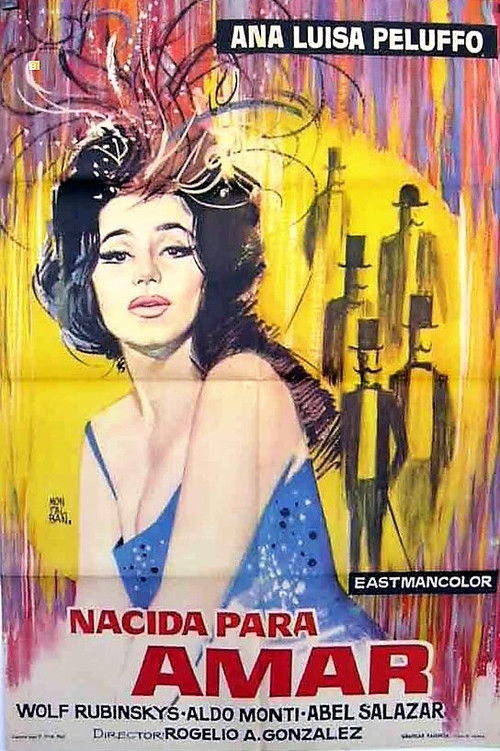
1959
No reviews yet. Be the first to share your thoughts on this movie!
Use the rating form above to leave a star rating and optional review.