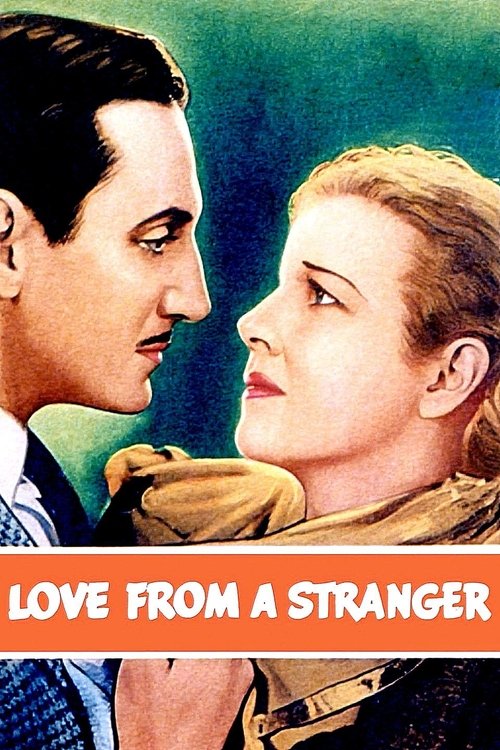
Love from a Stranger
1937
No user ratings available yet
Representation score: 1.7 out of 10

Representation Score
Minimal
1949
Director
Carlos Hugo Christensen
Runtime
84 minutes
Average Rating
No ratings yetNew Showbiz Analysis
La trampa is a mid-century Argentine noir that heavily relies on the classic structures of its time. Its main strength lies in its subversion of traditional gender roles through a female protagonist who uses psychological manipulation. However, the film is constrained by the socio-historical context of 1949. It lacks complexity regarding racial, sexual, or disability identities. The narrative remains tied to traditional class structures and conventional social hierarchies.
Category Breakdown
The film follows traditional romantic and sexual norms of the 1940s. It does not include any non-straight or non-cisgender identities or narratives that question these norms.
The story centers around a woman who uses psychological tactics to disrupt male-dominated systems. She plays a significant role in driving the plot, but her actions are morally ambiguous rather than empowering.
The cast reflects the demographic uniformity of the late 1940s Argentine film industry. Characters are mainly white or of European descent, with no visible racial mixing.
The story operates within the typical moral framework of mid-century urban life. It focuses on individual psychological issues rather than challenging religious or cultural institutions.
The film does not feature any characters with visible or invisible disabilities. It also lacks representation of neurodivergent individuals.
Present on Screen
Limited or Absent
Official Synopsis
A lonely woman marries a man without getting to know him.
1937
1947
1946
1941
1942

1944
1948
1947
No reviews yet. Be the first to share your thoughts on this movie!
Use the rating form above to leave a star rating and optional review.