
La trampa
1949
No user ratings available yet
Representation score: 1.6 out of 10
Representation Score
Limited
1946
NRDirector
Harold Clurman
Runtime
83 minutes
Average Rating
No ratings yetNew Showbiz Analysis
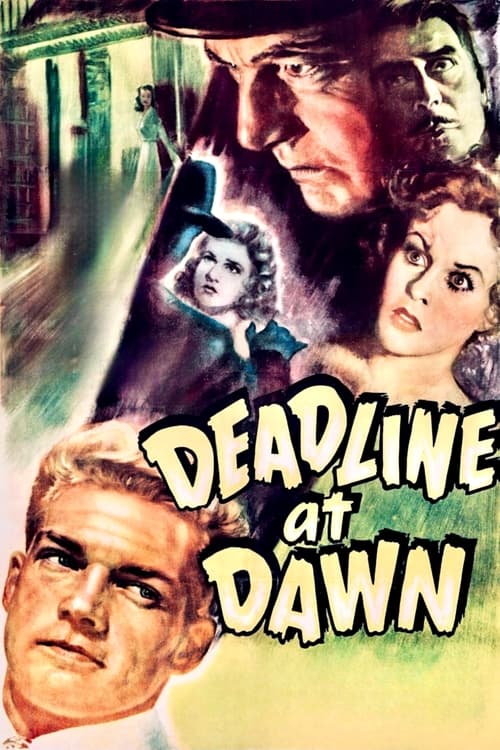
Deadline at Dawn operates as a conventional genre piece that upholds the typical social and narrative structures of 1946. The film emphasizes a traditional male-driven mystery, focusing the story on a male sailor. The production reflects the era's systemic limitations, concentrating on individual morality and Western crime clichés. It does not intentionally disrupt traditional gender, racial, or identity-based frameworks, resulting in a narrow portrayal of the human experience.
Category Breakdown
The film follows traditional heterosexual relationships typical of the post-war era. There are no queer narratives or non-cisgender identities represented.
The story revolves around a male protagonist solving a mystery. A woman is central to the plot but mainly serves as a victim rather than an independent driver of the story.
The film likely reflects the homogeneous casting practices of the mid-1940s. The narrative centers on a white, Anglo-Saxon protagonist without diverse supporting characters.
The story uses classic noir and Western crime clichés. It does not explore diverse cultural perspectives or challenge Western institutions.
There is no evidence of neurodivergence or physical disabilities in the character arcs. During this period, such elements were rarely given significant roles.
Present on Screen
Limited or Absent
Official Synopsis
A young Navy sailor has one night to find out why a woman was killed and he ended up with a bag of money after a drinking blackout.
1949
1947
1954
1946

1946
1944
1937

1944
No reviews yet. Be the first to share your thoughts on this movie!
Use the rating form above to leave a star rating and optional review.