Louis Theroux: A Different Brain
2016
No user ratings available yet
Diversity score: 5.0 out of 10
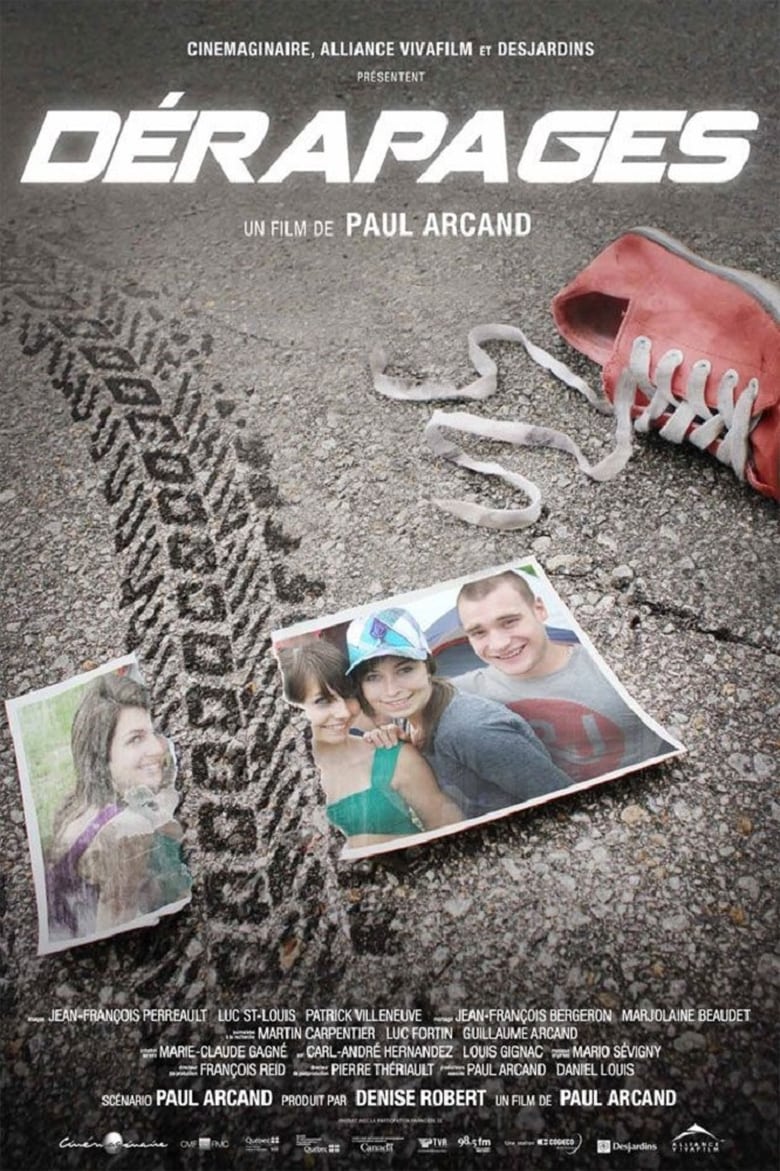
2012
Director
Paul Arcand
Runtime
94 minutes
Average Rating
No ratings yetSynopsis
Between 2007 and 2011, 725 Quebecers aged 16 to 24 were killed in car accidents. Excessive speed and alcohol were involved in half of these deaths. To try to understand what is going on in these young drivers' heads when they get behind the wheel, host and documentary filmmaker Paul Arcand met with some of them. On one hand, he gives a voice to these young people who love driving fast. On the other hand, he provides a forum for two accident victims who were injured both physically and psychologically. Finally, the director meets the mother of little Bianca Leduc, who was killed by a drunk driver while she was in the care of her babysitter, and the parents of Michael Borduas, 23, who is severely disabled from an accident.
Overall Score
Fair
Category Breakdown
LGBTQ+ Representation
The documentary focuses on road safety and youth behavior. It contains no characters or narratives addressing non-heteronormative identities.
Gender Representation
The film presents a balanced view of human experience across gender lines. It focuses on shared vulnerabilities rather than subverting traditional hierarchies.
Racial & Ethnic Diversity
Representation reflects the regional Quebecois demographic of the period. The film lacks intentional intersectional casting or a diverse, multi-ethnic cast.
Religious & Cultural Diversity
The film avoids a purely moralistic framework by providing a platform for the participants' own perspectives. It prioritizes a nuanced understanding of human error.
Disability Representation
The film centers the lived reality of Michael Borduas, who is severely disabled. It grants him agency rather than using disability as a mere plot device.
Strengths
Areas for Improvement
AI Analysis
Paul Arcand’s documentary succeeds as a sociological study by granting agency to its subjects. By juxtaposing the thrill-seeking motivations of young drivers with the profound consequences of accidents, the film avoids the didactic tone of a standard safety PSA. The film's strength lies in its humanistic approach to disability and social responsibility. It provides a platform for those impacted by tragedy to share their lived experiences without falling into reductive tropes. However, the film lacks demographic breadth. It functions primarily as a regional social record, resulting in limited representation of LGBTQ+ identities and multi-ethnic perspectives.
2016
2018
2016

2023
2005

2016
2007

2014
2015

2018

2008
2014
No reviews yet. Be the first to share your thoughts on this movie!
Use the rating form above to leave a star rating and optional review.