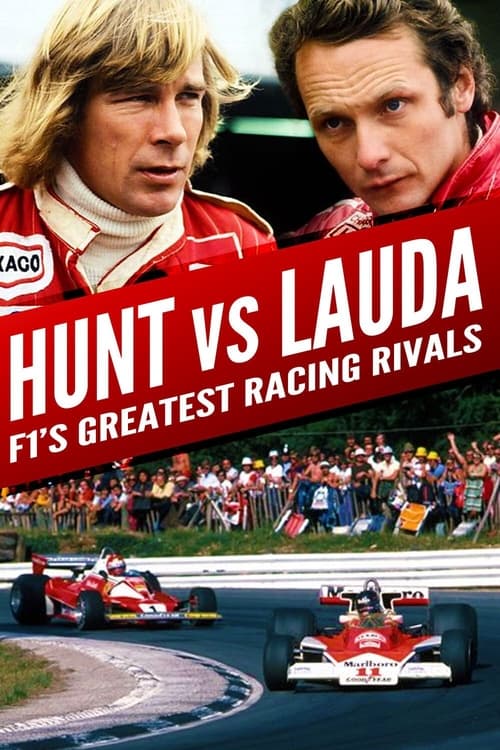
Hunt vs Lauda: F1's Greatest Racing Rivals
2013
No user ratings available yet
Representation score: 1.6 out of 10
Representation Score
Limited
2014
Director
Hannes Michael Schalle
Runtime
90 minutes
Average Rating
No ratings yetNew Showbiz Analysis
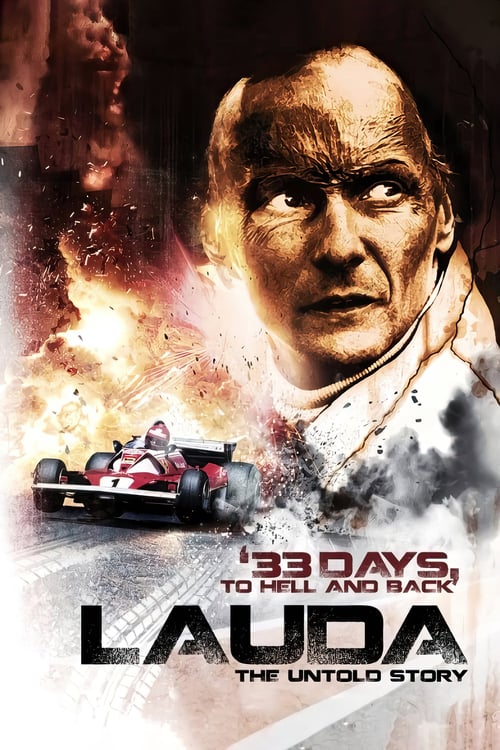
This documentary serves as a historical chronicle of Niki Lauda’s life and the evolution of racing safety. Because it adheres strictly to the social realities of the 1970s, the film lacks diversity in terms of race, gender, and LGBTQ+ representation. However, the film excels in its depiction of physical disability. It avoids superficial clichés, instead focusing on the grueling, technical reality of Lauda's rehabilitation and his return to competition. Ultimately, the film is a celebration of individual resilience within a traditional Western framework, prioritizing historical accuracy over modern social deconstruction.
Category Breakdown
The film focuses on the historical realities of the 1970s Formula One circuit. There are no LGBTQ+ characters or narratives addressing non-straight identities present in this biographical framework.
The narrative centers on a male-dominated professional sphere. While Lauda’s wife appears, women are largely portrayed in supportive or domestic roles rather than as primary professional agents.
The documentary reflects the predominantly white, European demographic of the 1970s motorsport elite. It does not utilize diverse casting to challenge the historical homogeneity of the era.
The film follows a traditional Western biographical structure emphasizing individual merit and excellence. It celebrates individualist achievement within the high-wealth environment of Western capitalism.
The film provides a nuanced look at physical trauma and recovery. It treats Lauda's physiological and psychological injuries as complex components of his professional identity rather than mere plot devices.
Present on Screen
Limited or Absent
Official Synopsis
In 1976 Niki Lauda survived one of the most famous crashes in Formula One history. Using previously unseen footage, LAUDA: THE UNTOLD STORY explains what happened on that fateful, and near fatal day at the Nurburgring, then follows Lauda’s courageous journey to recovery culminating in a miraculous comeback in Monza just weeks later. The film also investigates the impact that his crash had not just on his own life but on the sport as a whole, looking at the safety developments from the 1900s to the present day. Featuring exclusive access to Mercedes HQ and interviews with Lauda, his family, and motorsports legends past and present including Sir Jackie Stewart, David Coulthard, Mark Webber, Lewis Hamilton, Nico Rosberg, Hans-Joachim Stuck and Jochen Mass. LAUDA: THE UNTOLD STORY is a must-see for all motorsport fans.
2013
2016
2011
2017
2020
2016
2017
2013
No reviews yet. Be the first to share your thoughts on this movie!
Use the rating form above to leave a star rating and optional review.