
The Hugo's Brain
2012
No user ratings available yet
Diversity score: 5.0 out of 10
2016
Director
Jamie Pickup
Runtime
60 minutes
Average Rating
No ratings yetSynopsis
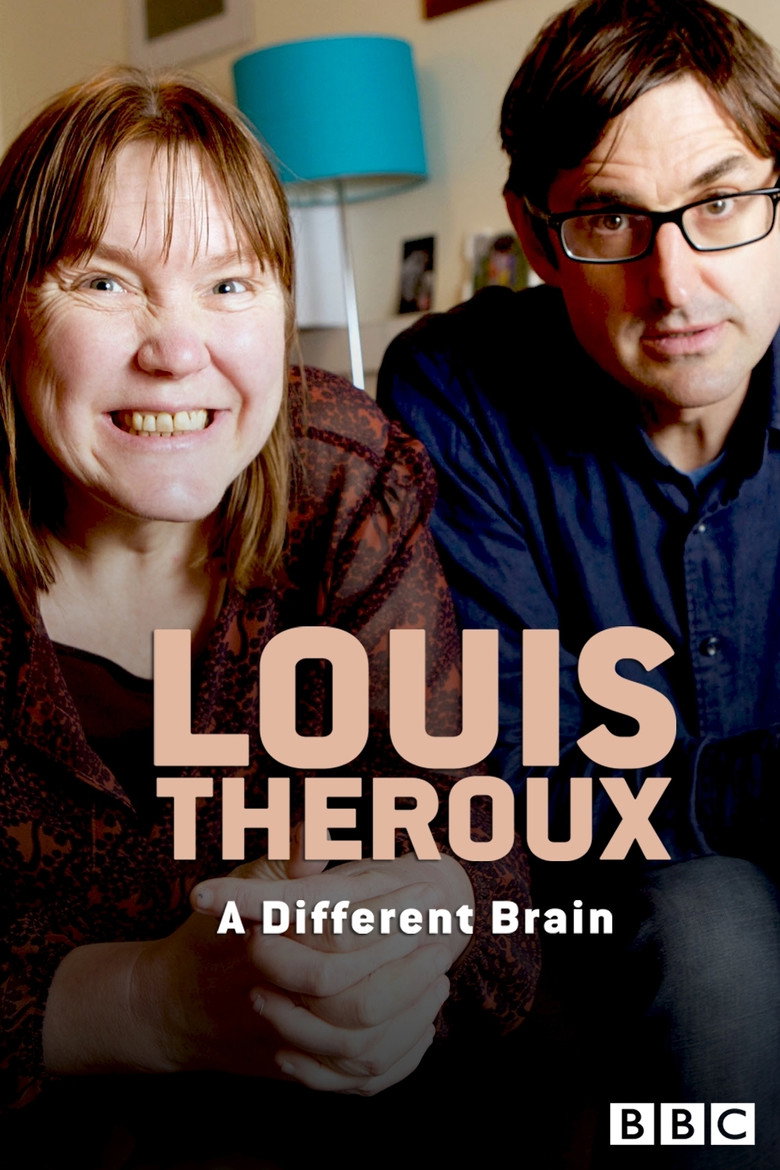
Following on from his recent look at alcoholism, the UK’s premier documentarian returns with another sensitive film, this time on living with a brain injury. Earl’s personality and interests have radically altered since he was involved in a car crash, while Dan – who sustained his injury in the late 90s – is desperate to live independently again. Elsewhere, Amanda is struggling to readjust to family life, and Natalie’s carers share her especially affecting story.
Overall Score
Fair
Category Breakdown
LGBTQ+ Representation
The documentary does not center on LGBTQ+ narratives or identities. There is no evidence of non-cisnormative gender identities or same-sex intimacy being used as a primary thematic driver.
Gender Representation
The film maintains a neutral stance regarding gender hierarchies. It depicts subjects across the gender spectrum without reinforcing restrictive tropes, though it does not actively seek to deconstruct traditional roles.
Racial & Ethnic Diversity
The film reflects a standard UK demographic. While it avoids harmful racial stereotypes, it lacks a significant emphasis on multi-ethnic casting that would drive a higher diversity score.
Religious & Cultural Diversity
The narrative offers a nuanced look at how individuals navigate social and familial institutions. It provides a realistic, non-idealized view of domesticity and the friction between neurodivergence and societal norms.
Disability Representation
This is the film's primary strength. It grants subjects agency to define their own struggles, avoiding 'inspiration porn' by focusing on the granular, difficult realities of neurological differences.
Strengths
Areas for Improvement
AI Analysis
The documentary excels by centering the lived experiences of individuals navigating brain injuries and neurodivergence. By focusing on the agency of subjects like Earl and Dan, the film avoids the pitfalls of pity-based storytelling, instead offering a sophisticated look at how cognitive processing shapes identity. However, the film's impact is limited by its narrow demographic scope. The lack of LGBTQ+ narratives and a relatively conventional, Anglo-Saxon-centric casting profile prevents it from achieving a higher overall diversity rating. Ultimately, while the film is a masterclass in disability representation, it functions within a traditional social framework that does not actively challenge broader racial or gender-based hierarchies.
2012

2015
2015
2024

2012
2007
2016
2014

2018

2010
2020

2008
No reviews yet. Be the first to share your thoughts on this movie!
Use the rating form above to leave a star rating and optional review.