Lal Salam
1990
No user ratings available yet
Representation score: 5.9 out of 10
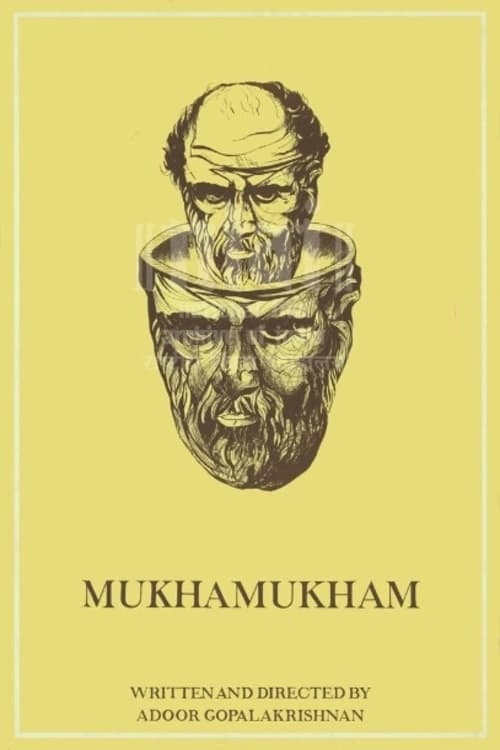
Representation Score
Fair
1984
Director
Adoor Gopalakrishnan
Runtime
108 minutes
Average Rating
No ratings yetNew Showbiz Analysis
Face to Face is a deep exploration of psychological fragmentation and the erosion of social identity. It dismantles the myth of the political hero, presenting the decay of an individual's ideals. The film stands out for its intellectual depth, especially in its cultural critique and nuanced portrayal of mental instability. It avoids using psychological trauma merely as a plot device, instead making it a central theme. However, its impact is limited to a specific context. While it authentically represents Malayali life, it does not engage with broader issues of diversity or non-traditional identities.
Category Breakdown
The film focuses on a specific local context and does not include LGBTQ+ characters or explore non-straight relationships.
Female characters are shown reacting to the male protagonist's instability, highlighting the tensions in their domestic lives.
The film offers an authentic depiction of Malayali life in Kerala, avoiding a Western perspective and staying true to its regional setting.
The narrative critiques institutionalized ideology and portrays the protagonist's journey from hero to underrepresented figure.
The story examines the protagonist's psychological decline as a central, complex issue, providing a nuanced look at invisible disabilities and psychological trauma.
Present on Screen
Limited or Absent
Official Synopsis
The film starts in the early 1950s showing Sreedharan, the protagonist, as a very popular communist leader and trade union activist. He is forced to go underground after his name was associated with the murder of the owner of a tile factory. He is considered to be dead by his party and they even erect a memorial for him. But he makes an unexpected comeback almost 10 years later, after the first communist ministry gained and lost power in Kerala and after the Communist Party of India has split. On his return, he spends his time sleeping and drinking. His come back is first a puzzle and then an embarrassment to his comrades and family. As the disappointment on his new face grows, he is found murdered. The film ends when both the communist parties jointly celebrate his martyrdom.
1990
1971
1995
1985
1982
1994
1989

2017
No reviews yet. Be the first to share your thoughts on this movie!
Use the rating form above to leave a star rating and optional review.