Face to Face
1984
No user ratings available yet
Representation score: 5.6 out of 10
Representation Score
Fair
1990
Director
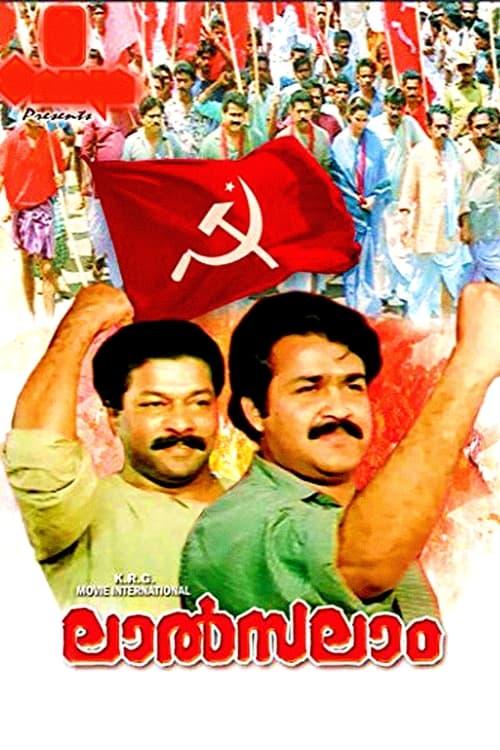
Venu Nagavalli
Runtime
146 minutes
Average Rating
No ratings yetNew Showbiz Analysis
Lal Salam stands out for its ideological commitment, centering its narrative on the collective struggle of Communist Party members. By prioritizing political kinship and systemic critique, the film moves away from standard commercial clichés and individualist meritocracy. The film disrupts traditional gender roles by presenting Sakhav Sethulakshmi as a primary protagonist with equal intellectual and political weight. This provides a more balanced view of leadership within a revolutionary movement. However, the film lacks overt representation of LGBTQ+ identities and does not address disability. While it offers a deep immersion into a specific socio-political landscape, it remains ethnically homogeneous within its cultural context.
Category Breakdown
The film highlights political bonds and chosen family ties rather than traditional nuclear families. There is no direct mention of LGBTQ+ identities or same-sex relationships.
Sakhav Sethulakshmi is portrayed as a central comrade on equal footing with her male peers, challenging traditional gender hierarchies by playing a significant role in driving the story.
The story is deeply rooted in a specific regional and ethnic identity within the Malayalam film industry. The cast is ethnically uniform, focusing on class struggle.
The narrative centers on an anti-capitalist framework and the struggle against state institutions. It prioritizes systemic critique over traditional or religious morality.
There is no information available regarding the portrayal of physical or neurodivergent disabilities in this film.
Present on Screen
Limited or Absent
Official Synopsis
The story revolves around two phases of the lives of three comrades - before and after the imprisonment of Sakhav Nettoor Stephen, Sakhav T.K. Antony and Sakhav Sethulakshmi, members of the Communist Party of India.
1984
1985
1995
1982

2017

2005
1984
1989
No reviews yet. Be the first to share your thoughts on this movie!
Use the rating form above to leave a star rating and optional review.