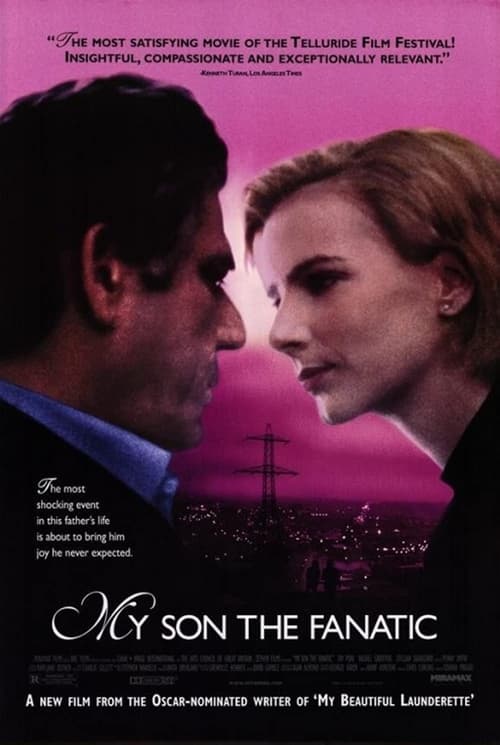
My Son the Fanatic
1997
No user ratings available yet
Representation score: 4.2 out of 10
Representation Score
Fair
1994
Director
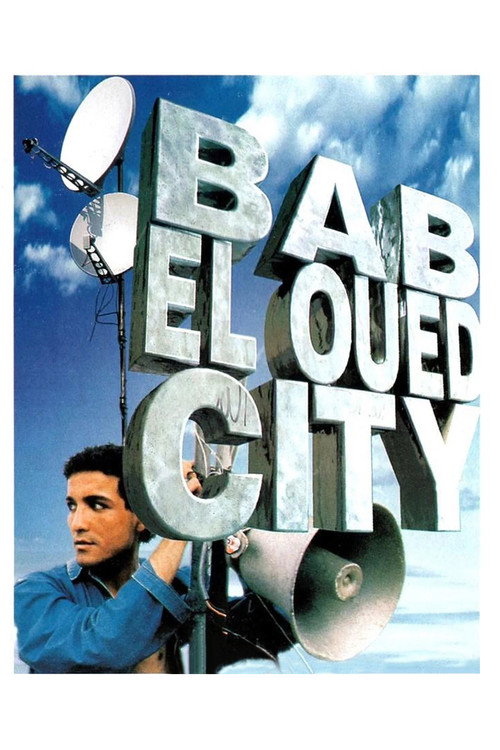
Merzak Allouache
Runtime
93 minutes
Average Rating
No ratings yetNew Showbiz Analysis
Bab El Oued City is a powerful piece of post-colonial cinema that excels in ethnic authenticity. It provides a deep, localized look at Algerian life, moving beyond superficial inclusion to offer genuine control to its North African characters. However, the film remains tethered to traditional social hierarchies. The heavy focus on male-dominated public spaces and the absence of LGBTQ+ representation reflect the specific socio-cultural constraints of the era and setting. Ultimately, the film's strength lies in its systemic critique. It successfully uses the individual's struggle against religious and political institutions to highlight the lived realities of underrepresented urban populations.
Category Breakdown
The film focuses on hyper-masculine social spheres within the Bab El Oued district. There is no depiction of non-straight identities or same-sex intimacy, reflecting the traditional assumption that everyone is straight or cisgender.
The narrative centers on a male-dominated urban landscape. Women are largely relegated to domestic or peripheral roles, highlighting the social stratification where male control over public life contrasts with limited female influence.
The film provides an authentic portrayal of North African urban identity. By centering an Algerian cast, it disrupts Western-centric views and offers a sophisticated exploration of the lasting effects of historical colonization.
The story offers a nuanced critique of religious fundamentalism and state structures. The protagonist's struggle against religious authority highlights the tension between individual secular decision-making and systemic imposition.
There is no significant evidence regarding the portrayal of physical or neurodivergent disabilities within the narrative.
Present on Screen
Limited or Absent
Official Synopsis
Bab El-Oued, a popular district of Algiers, in 1989, a few months after the riots. Boualem works at night in a bakery and steals the loudspeaker that was installed on his roof and was broadcasting the Imam's word... therefore preventing him from sleeping. This blunder is taken as a pretext by the Islamists to put the district under their control...
1997
2011
1999
2019
2008
2013
1997
2002
No reviews yet. Be the first to share your thoughts on this movie!
Use the rating form above to leave a star rating and optional review.