Kitchen Brigade
2022
No user ratings available yet
Representation score: 8.3 out of 10
Representation Score
Excellent
2018
Director
Jean-Philippe Gaud
Runtime
95 minutes
Average Rating
No ratings yetNew Showbiz Analysis
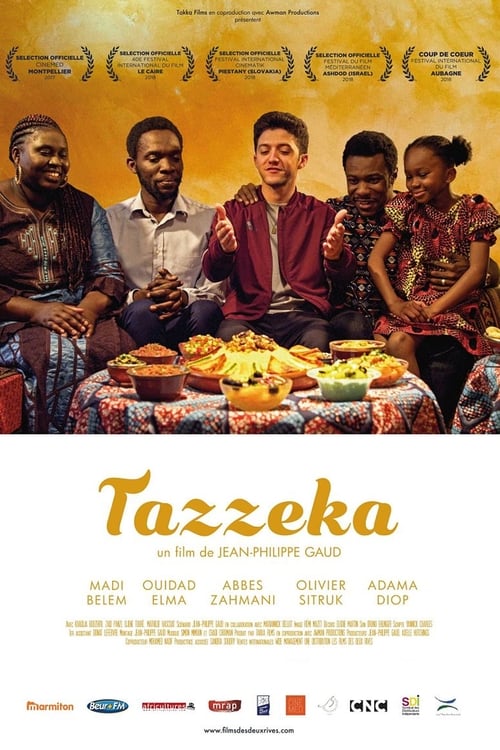
Tazzeka succeeds in subverting Western-centric storytelling by centering a North African protagonist and his cultural heritage. The film explores the intersection of ethnicity, class, and legal status, providing a nuanced look at the immigrant experience in Europe. The narrative moves beyond including someone from a minority group without giving them real depth by using traditional Moroccan cuisine as a central element of the protagonist's identity. This focus allows for a sophisticated exploration of systemic inequities and the struggles of undocumented life. While the film excels in ethnic and cultural depth, it lacks information regarding LGBTQ+ representation and specific gendered power dynamics. The focus remains primarily on the immigrant journey and culinary heritage.
Category Breakdown
The film does not include any explicit references to LGBTQ+ characters or themes. It focuses on migration and personal growth without addressing non-straight relationships or identities.
A female elder plays a key role in preserving cultural knowledge, challenging traditional male-centric leadership. However, the specific roles and impact of female characters like Salma are not clearly defined.
The story centers around a Moroccan immigrant's journey, emphasizing North African culinary traditions. This approach prioritizes the experiences of the Global South over Western perspectives.
The film critiques Western structures by highlighting the tension between traditional heritage and the challenges faced by immigrants in Paris. It emphasizes communal resilience over individual success.
There is no mention of characters dealing with physical, neurodivergent, or mental health conditions. Therefore, no assessment of disability representation can be made.
Present on Screen
Limited or Absent
Official Synopsis
Growing up in the Moroccan village of Tazzeka, Elias learned the secrets of traditional Moroccan cuisine from his grandmother who raised him. Years later, meeting a top Paris chef and a young woman named Salma inspires him to leave home. In Paris, Elias faces unstable work and financial hardship as an undocumented immigrant. But he also finds friendship with Souleymane, who helps revive his passion for cooking.
2022

2017
2018
2007
2025
2013

2021

2022
No reviews yet. Be the first to share your thoughts on this movie!
Use the rating form above to leave a star rating and optional review.