Tiffany the Whale: Death on the Runway
2012
No user ratings available yet
Representation score: 6.7 out of 10
Representation Score
Fair
2010
GDirector
Bill Plympton
Runtime
6 minutes
Average Rating
No ratings yetNew Showbiz Analysis
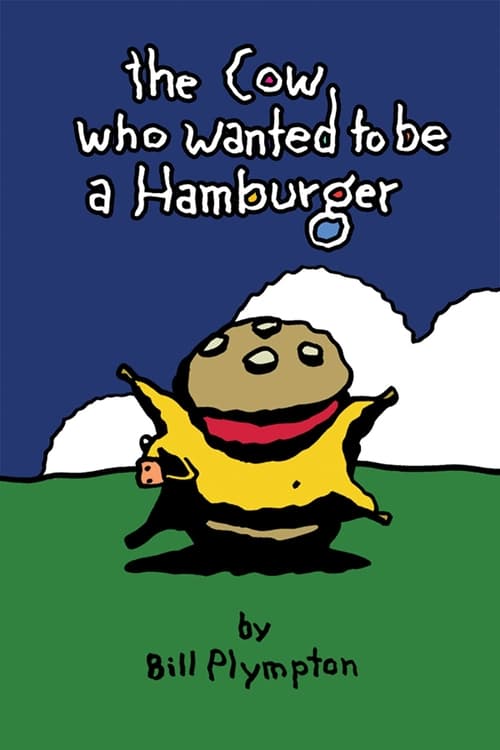
Bill Plympton’s fable uses animal metaphors to criticize the negative effects of consumerism. The film emphasizes psychological depth and challenges traditional storytelling conventions. While it doesn’t show diverse demographics, it effectively critiques Western commercial values. Its strength lies in its narrative structure, which prioritizes personal moral growth over societal norms.
Category Breakdown
The film doesn't show non-straight or non-cisgender identities explicitly. It focuses on the main character's inner struggle rather than relationships between LGBTQ+ individuals.
Motherly love is a key theme. The portrayal of femininity seems complex, possibly challenging traditional nurturing roles through intense or sacrificial narratives.
Using animals instead of humans, the film avoids showing human races or ethnicities. It deals with identity struggles in a way that isn't limited by typical human casting.
The story sharply criticizes advertising and consumerism. It questions Western values of material success by focusing on the meaning of life through an existential perspective.
There is no clear depiction of physical or neurological disabilities. The main character's conflict is framed as an identity crisis rather than a functional issue.
Present on Screen
Limited or Absent
Official Synopsis
A children's fable about the power of advertising, the meaning of life and ultimately the test of a mother's love. Preserved by the Academy Film Archive in 2016.
2012
2009
2009
2011
2008
1991
1991

2014
No reviews yet. Be the first to share your thoughts on this movie!
Use the rating form above to leave a star rating and optional review.