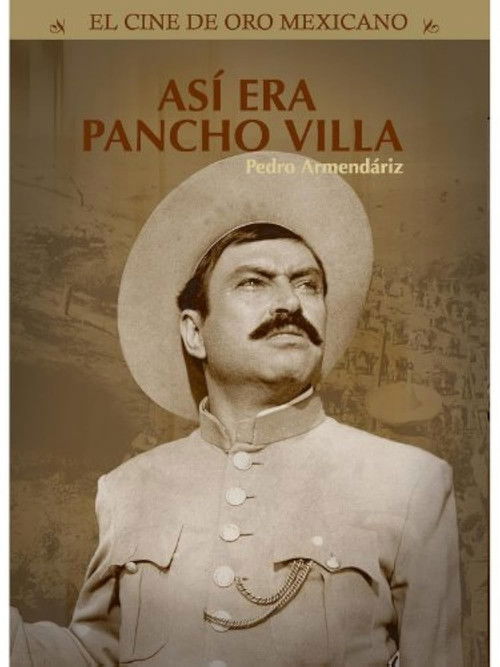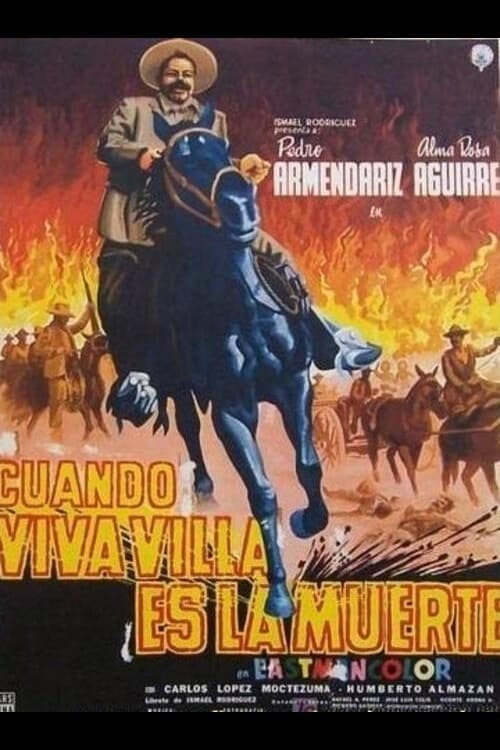
This Was Pancho Villa: Third chapter
1958
No user ratings available yet
Representation score: 5.7 out of 10
Representation Score
Fair
1958
Not RatedDirector
Ismael Rodríguez
Runtime
87 minutes
Average Rating
No ratings yetNew Showbiz Analysis
This film serves as a powerful piece of nationalistic storytelling that challenges Eurocentric historical frameworks. By centering the Mexican Revolution, it prioritizes regional ability to act and the socio-political struggles of the Mexican people over colonial perspectives. However, the work is limited by the social constraints of its era, lacking representation of LGBTQ+ identities and adhering to traditional gender roles.
Category Breakdown
The film follows the social norms of 1950s Mexico and does not include any representation of LGBTQ+ identities or same-sex relationships.
Valentina's character suggests a female counterpart to the revolutionary leader, but women in this era were often relegated to supporting or romantic roles.
The film centers Mestizo and indigenous-adjacent identities, disrupting Anglo-centric dominance by placing non-white protagonists in positions of historical leadership.
The narrative engages with anti-establishment themes and critiques centralized power, framing the revolution as a struggle for social justice against oppressive systems.
There is no specific evidence regarding the portrayal of physical or neurodivergent disabilities in this production.
Present on Screen
Limited or Absent
Official Synopsis
The second chapter of director Ismael Rodríguez's series about Pancho Villa. Several stories about the life and death of the famous mexican revolutionary general.
No reviews yet. Be the first to share your thoughts on this movie!
Use the rating form above to leave a star rating and optional review.