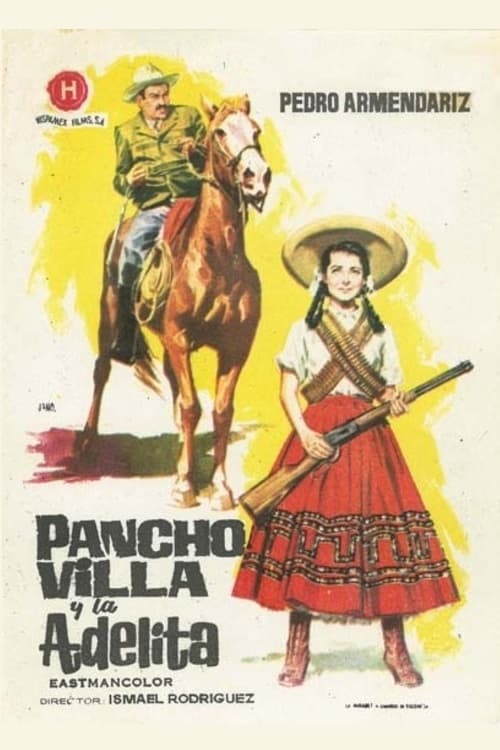
This Was Pancho Villa: Second chapter
1958
No user ratings available yet
Representation score: 4.4 out of 10
Representation Score
Limited
1957
Director
Ismael Rodríguez
Runtime
90 minutes
Average Rating
No ratings yetNew Showbiz Analysis
Ismael Rodríguez’s film is a key piece of cultural reclamation. By focusing on the legend of Pancho Villa, it challenges Western-centric historical narratives and asserts a unique Mexican identity. However, the film adheres to the gender and social norms of its time, limiting the roles of women to traditional domestic or supportive positions. It also lacks representation of LGBTQ+ identities. Overall, the film effectively critiques the oppressive structures of the Porfirian regime and the socioeconomic hierarchies of the time.
Category Breakdown
The film follows the social norms of 1950s Mexico and does not depict any non-traditional gender identities or same-sex relationships. It focuses on the traditional bonds among male revolutionaries.
Men hold most of the leadership roles and combat positions, while women are mostly shown in traditional domestic or supportive roles, reflecting the gender roles of the time.
The film centers on a predominantly Mexican cast, emphasizing a non-Anglo-Saxon identity as the main driver of historical events. This counters Western cinematic tendencies.
The story highlights the struggle of peasants against the landowning elite, presenting revolutionary violence as a response to oppressive, centralized structures.
There is no significant depiction of physical or neurodivergent disabilities in the film.
Present on Screen
Limited or Absent
Official Synopsis
The disembodied head of Pancho Villa, kept in a glass jar in a research institute, is the narrator of several short stories from his own life, stories that might or might not have happened but are the stuff of legend.
1958
1958
1957
1970
2003
No reviews yet. Be the first to share your thoughts on this movie!
Use the rating form above to leave a star rating and optional review.