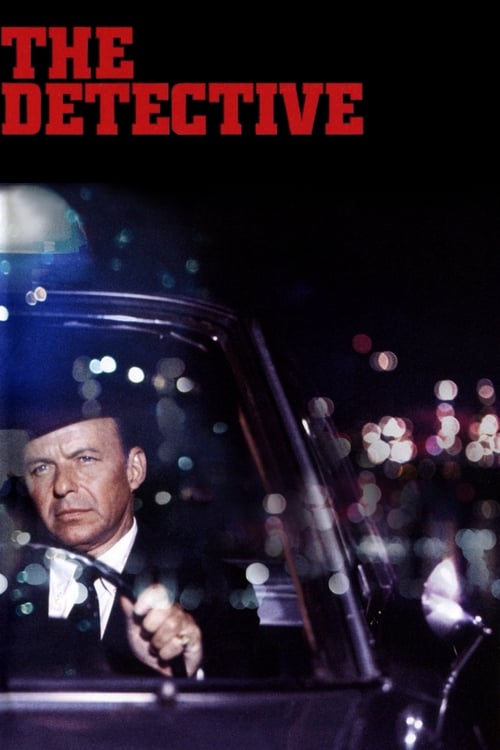
The Detective
1968
No user ratings available yet
Representation score: 2.3 out of 10
Representation Score
Limited
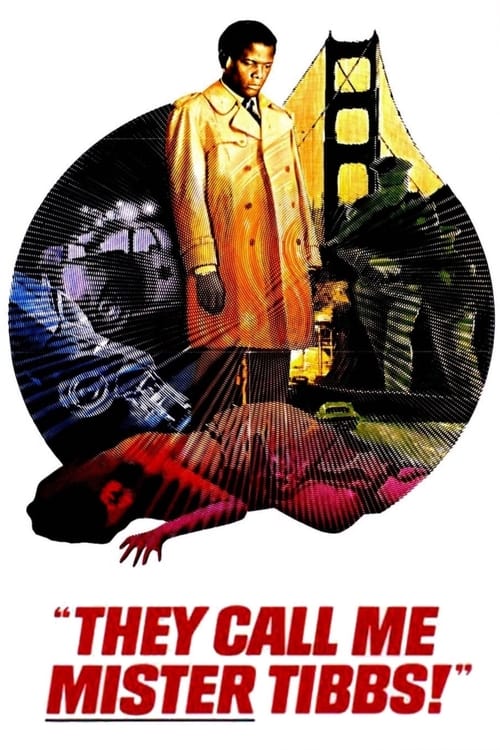
1970
RDirector
Gordon Douglas
Runtime
108 minutes
Average Rating
No ratings yetNew Showbiz Analysis
This film uses racial tension to drive its central mystery, challenging traditional social structures by placing a Black protagonist in a position of high institutional authority. However, it still adheres to conventional gender hierarchies and focuses on male-dominated spaces. The film's strength lies in its use of the detective genre to explore the friction between institutional justice and localized prejudice.
Category Breakdown
The film follows traditional assumptions about straight relationships and doesn't include any LGBTQ+ characters or themes.
The story centers around male-dominated law enforcement and investigative roles. A female murder victim sets off the plot, but she remains a passive figure without much influence.
By featuring a Black protagonist in a position of high institutional authority, the film challenges traditional casting norms and highlights systemic racial tensions in a predominantly white setting.
The story examines the conflict between official legal systems and local social norms. It points out the failures of local institutions in creating a unified community.
There are no significant depictions of disabilities that play a key role in the narrative or contribute meaningful character development.
Present on Screen
Limited or Absent
Official Synopsis
A police detective's investigation of a prostitute's murder points to his best friend.
1968

1967

1972
1948
1974
1971
1973
1971
No reviews yet. Be the first to share your thoughts on this movie!
Use the rating form above to leave a star rating and optional review.