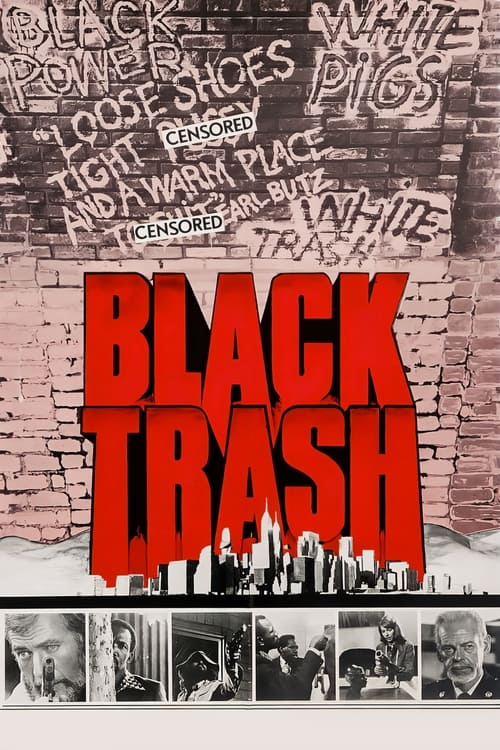
Black Trash
1976
No user ratings available yet
Representation score: 4.7 out of 10
Representation Score
Fair
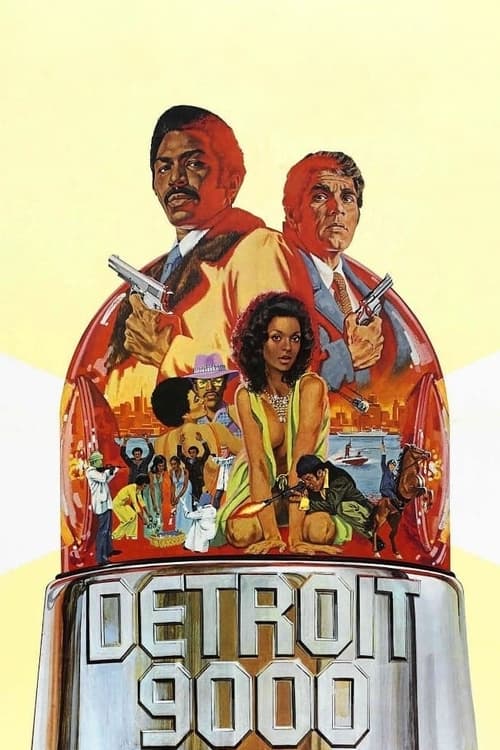
1973
RDirector
Arthur Marks
Runtime
106 minutes
Average Rating
No ratings yetNew Showbiz Analysis
Detroit 9000 uses the buddy-cop format to explore racial integration and systemic political pressures within law enforcement. By pairing a Black detective with a white partner, the film challenges the racial homogeneity often seen in older police procedurals. While the film effectively addresses the socio-political realities of a racially divided urban environment, it remains confined by the traditional masculine frameworks of the 1970s crime genre. The narrative heavily emphasizes male-driven ability to act and professional investigation. Overall, the film serves as a transitional work that shifts from idealized civic institutions to a more complex critique of power dynamics influencing justice.
Category Breakdown
The film does not include any LGBTQ+ characters or narratives. It follows typical 1970s crime genre conventions centered around heterosexual relationships.
The story focuses on the professional relationship between two male detectives. This emphasizes a traditional gender hierarchy where men take the lead in investigations.
The film features a Black detective working alongside a white colleague. It highlights the socio-political ability to act of Black community leaders during a fundraiser robbery. This adds meaningful representation.
The film examines the tensions between political entities and law enforcement. It presents a nuanced view of authority by focusing on urban political instability and systemic power dynamics.
The film does not depict any physical or neurodivergent disabilities.
Present on Screen
Limited or Absent
Official Synopsis
After a fundraiser for a Black politician is robbed, Detroit police put two detectives, one white and one Black, on the case, who try to work together under boiling political pressure.
1976
1972
1974

1972

1971
1973

1973

1967
No reviews yet. Be the first to share your thoughts on this movie!
Use the rating form above to leave a star rating and optional review.