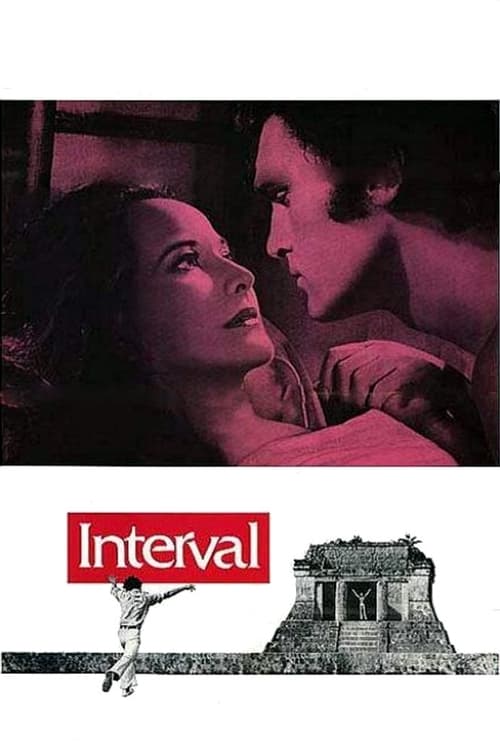
Interval
1973
No user ratings available yet
Diversity score: 4.6 out of 10

1943
Director
Juan José Ortega
Runtime
96 minutes
Average Rating
No ratings yetSynopsis
Roberto on a journey to Mexico knows to Maria de La Paz, a woman older than he, who falls in love, she also has feelings for him, but doesn't give him hopes cause she is married. Fate reunites them without imagine it, they will have to face a moral dilemma.
Overall Score
Limited
Category Breakdown
LGBTQ+ Representation
The film focuses on a heterosexual romantic entanglement. There is no evidence of queer narratives or non-cisnormative identities within the story.
Gender Representation
Maria de la Paz displays emotional depth and agency through her moral dilemma. However, the conflict remains tied to her marital status and traditional domestic hierarchies.
Racial & Ethnic Diversity
As a Mexican production, the film centers a non-Anglo-Saxon cast. It provides a cultural perspective distinct from the Hollywood-centric norms of the 1940s.
Religious & Cultural Diversity
The narrative centers on the sanctity of marriage and social obligation. It appears to reinforce traditional morality rather than critiquing established social institutions.
Disability Representation
There is no information regarding characters with visible or invisible disabilities in the provided material.
Strengths
Areas for Improvement
AI Analysis
La razón de la culpa is a classic romantic melodrama that operates within the strict moral frameworks of 1940s Mexican cinema. It explores the tension between individual desire and institutional expectations, specifically through the lens of an extramarital attraction. The film offers a non-Western perspective by centering Mexican cultural values, yet it remains anchored in the social hierarchies of its era. While it provides some nuance to female agency, the central conflict is defined by traditional domestic constraints. Ultimately, the work functions as a study of passion versus social duty, prioritizing the preservation of established moral certainties over subversive storytelling.
1973

2019
1955
1948
1968
1938
1958
1942
1951
1950

1951

1982
No reviews yet. Be the first to share your thoughts on this movie!
Use the rating form above to leave a star rating and optional review.