
Pushover
1954
No user ratings available yet
Representation score: 1.7 out of 10
Representation Score
Limited
1951
Not RatedDirector
Miguel Morayta
Runtime
90 minutes
Average Rating
No ratings yetNew Showbiz Analysis
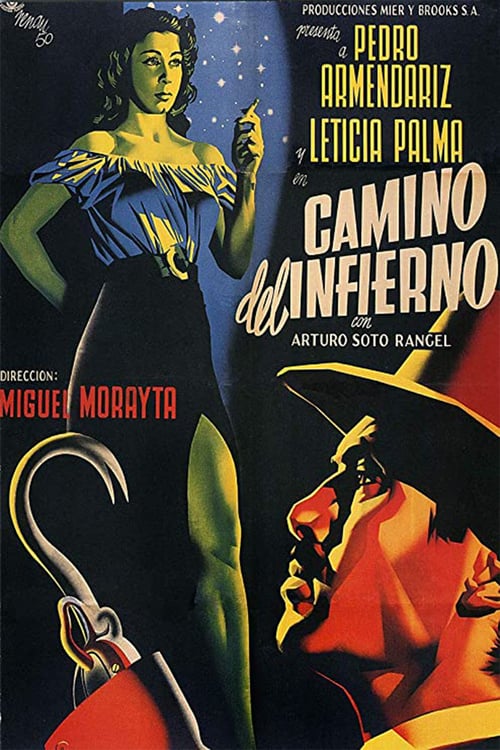
Hell Road is a classic example of mid-century Mexican cinema, utilizing melodramatic and noir-influenced storytelling. It focuses on character-driven tension and traditional moral arcs rather than social critique. The film successfully offers a non-Western perspective through its Mexican cast and production. However, the narrative structure remains tied to the social and gender norms of the 1950s. Ultimately, Hell Road serves as a period piece that highlights local culture while adhering to the romantic and power structures of its time.
Category Breakdown
The film does not include any LGBTQ+ characters or stories that explore non-straight relationships. The main romance follows typical heterosexual structures common in 1950s films.
The female lead starts off as a hostage, which places her in a vulnerable position. Although she is central to the plot, the initial power dynamics favor the male lead, reflecting the gender roles of the era.
The film features a predominantly Mexican cast, providing a unique cultural perspective. This contrasts with the Anglo-Saxon casting norms of the same period.
The storyline emphasizes personal redemption through love and traditional moral lessons. It reinforces conventional views on crime rather than questioning broader societal structures.
There are no characters with visible or invisible disabilities mentioned in the film's documentation.
Present on Screen
Limited or Absent
Official Synopsis
When a robbery goes wrong, the thief takes a singer as hostage, they fall in love and try to rebuild their lives, but tragedy surges in the most unexpected way.
1954
1949

1951
1937

1950

1956
1948

1949
No reviews yet. Be the first to share your thoughts on this movie!
Use the rating form above to leave a star rating and optional review.