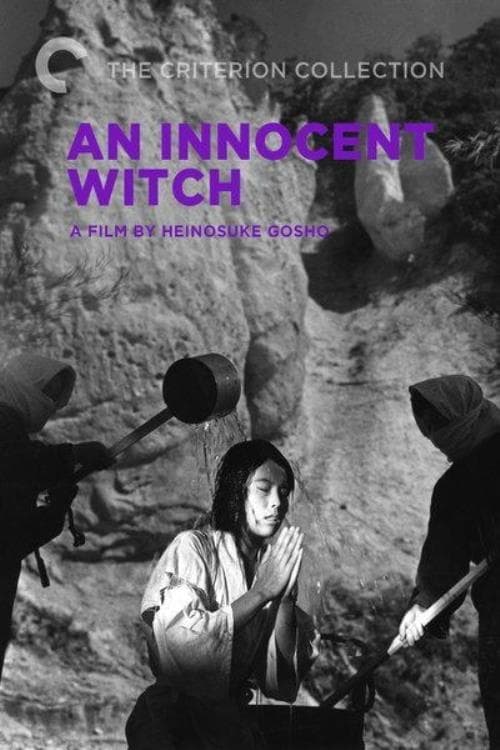
An Innocent Witch
1965
No user ratings available yet
Representation score: 4.7 out of 10
Representation Score
Limited
1982
Director
Shinobu Hashimoto
Runtime
164 minutes
Average Rating
No ratings yetNew Showbiz Analysis
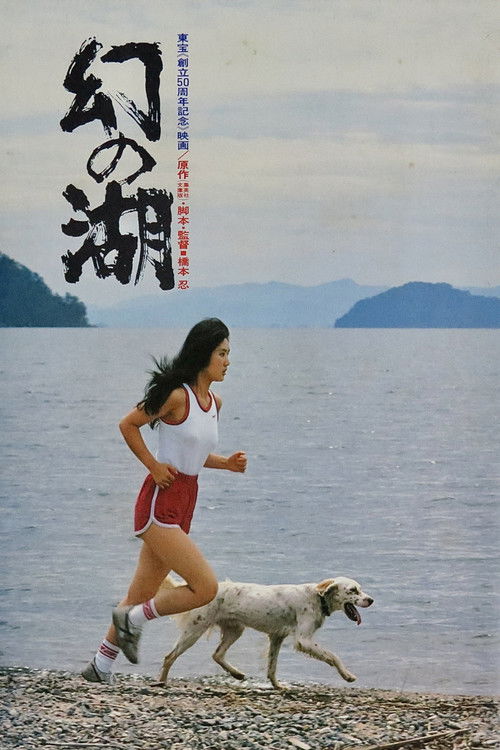
The film opens with Michiko (Reiko Nanjo) running alongside her dog Shiro, a image that sells freedom but is immediately constrained by the brothel’s rigid schedules. Shinobu Hashimoto’s 1982 drama uses the provincial bathhouse as a microcosm for Japan’s transition into the "technological epoch," where traditional uniforms are discarded in favor of modern efficiency. The sold meaning is one of quiet resistance: Michiko’s savings and her refusal to be "bought out" suggest a woman who maintains her autonomy within a system that seeks to commodify her. However, the film’s internal logic pulls against this progress. The men in power, including Nagao (Daisuke Ryū), retain the final say on operational changes, and the "illusions" of the title suggest that the shift to modernity is merely a cosmetic update to the existing hierarchy. The last image lingers on the aftermath of these conflicts, offering no neat resolution. Michiko remains, but the system that confines her persists. The camera loves her stillness, yet it does not grant her the power to dismantle the structures that define her labor. This is a film about endurance rather than revolution, where the traditional order is questioned but never truly overturned.
Category Breakdown
No queer characters or same-sex intimacy appear. The film relies on heterosexual pairings and traditional gender roles within the provincial bathhouse setting.
Michiko anchors the narrative as a free-spirited woman, yet the camera frames her endurance as passive. Male characters hold decision-making power, while women navigate rigid labor hierarchies.
The cast is overwhelmingly Japanese, reflecting the 1982 provincial setting. Brief mentions of foreigners provide minimal on-screen presence without challenging the dominant cultural framework.
The film critiques the technological epoch replacing traditional bathhouse customs, with debates over kimono uniforms. The social order remains intact, suggesting modernity merely shifts the performance of tradition.
No characters with physical, sensory, or cognitive impairments are depicted. The narrative focuses on psychological and social tension, with no plot points involving disability or medical conditions.
Present on Screen
Limited or Absent
Official Synopsis
A free-spirited girl living in a Japanese province spends her time working in a brothel and running with her dog. When her routine is shattered she gets on a path of hate and self discovery.
1965

1956
1992
1969

1980
1963

1961
1985
No reviews yet. Be the first to share your thoughts on this movie!
Use the rating form above to leave a star rating and optional review.