
The ring-necked dove
1970
No user ratings available yet
Representation score: 4.7 out of 10
Representation Score
Limited
1971
Director
Masoud Kimiai
Runtime
95 minutes
Average Rating
No ratings yetNew Showbiz Analysis
Dash Akol is a masterwork of regional storytelling that challenges Western cinematic expectations by centering an indigenous moral framework. It elevates folk archetypes into a sophisticated exploration of identity and community. However, the film maintains traditional gender hierarchies and lacks LGBTQ+ representation. The film's strength lies in its nuanced study of social obligations and situational ethics, going beyond simple binary morality.
Category Breakdown
The film focuses on a traditional romantic arc between the protagonist and the female lead, but it does not include any non-binary or LGBTQ+ identities.
Marjan's role is primarily reactive, responding to the male-driven conflicts around honor and blood feuds.
The film offers a rich portrayal of Iranian cultural archetypes and folk identity, presenting a non-Western social structure.
The narrative explores a complex morality guided by tribal honor codes, emphasizing personal and communal values over formal state authority.
There are no prominent depictions of visible or invisible disabilities used as central plot devices or character traits within the narrative.
Present on Screen
Limited or Absent
Official Synopsis
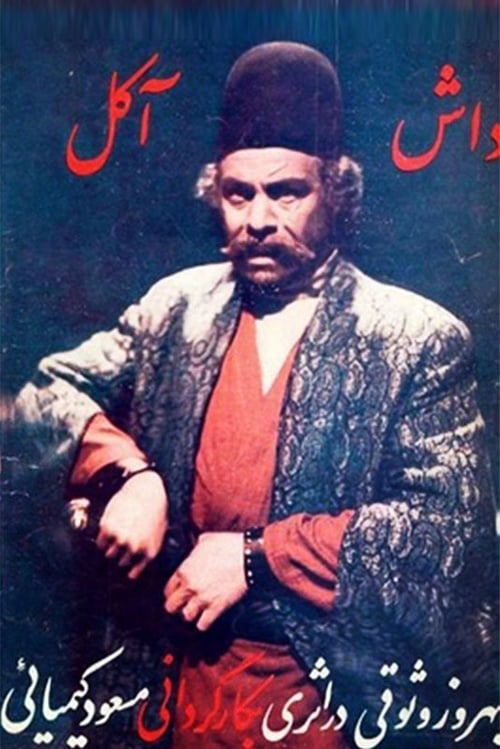
Dash Akol is greatly respected in Shiraz as an honorable man who has lost his family's money through helping his friends. He has an enemy, however, named Kaka Rostam, a mean and spiteful person. Dash Akol, who is in his forties, falls in love with Marjan, daughter of the late Haji Samad, for whose estate he is the executor. But he keeps his love secret. One day a suitor asks for Marjan's hand, and Dash Akol considers it against his code of honor to refuse. On the night of the wedding, Dash Akol hands over responsibility for the family to the bridegroom. As he is leaving the house, however, Kaka Rostam is waiting for him and a fight ensues. Kaka Rostam stabs him in the back, but Dash Akol succeeds in killing him. On his deathbed, Dash Akol sends his parrot to Marjan with the confession of love he has taught it.
1970
1977
1969
1951

2004
1981
1976
1969
No reviews yet. Be the first to share your thoughts on this movie!
Use the rating form above to leave a star rating and optional review.