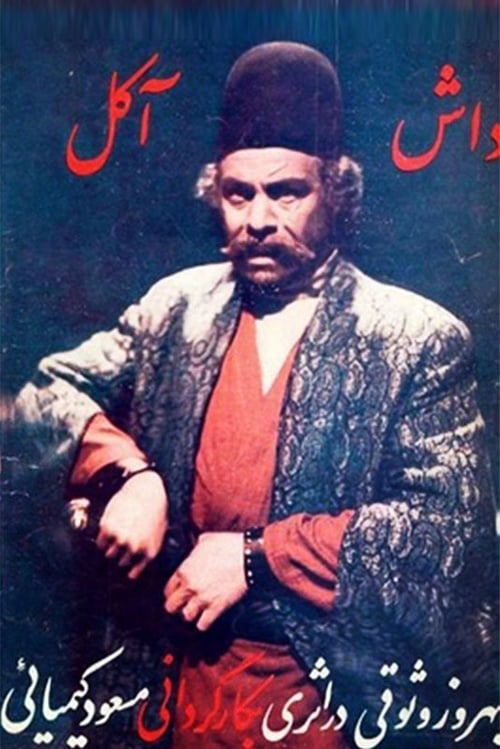
Dash Akol
1971
No user ratings available yet
Representation score: 2.7 out of 10

Representation Score
Fair
1970
Director
Ali Hatami
Runtime
100 minutes
Average Rating
No ratings yetNew Showbiz Analysis
Ali Hatami’s work serves as a poetic archive of Persian social customs, offering a rich, non-Western cultural landscape. The film excels at portraying specific regional identities and the weight of traditional familial duties. However, the narrative structure is deeply rooted in conservative social hierarchies. The plot relies on conventional gender roles and straight-centered relationships, limiting diverse representation. While the film provides visibility for disability through the matriarchal figure, the characters often function as symbols of tradition or dramatic tension rather than independent agents.
Category Breakdown
The film follows a typical romantic storyline between Morteza and Tooba. There are no characters or narratives that challenge the assumption that everyone is straight or cisgender.
Male characters' motivations drive the plot, such as the uncle's commands and the protagonist's pursuits. Female characters mainly exist within family hierarchies as romantic partners or moral judges.
The film explores Persian cultural identity and local customs in Kashan and Shiraz. It provides a non-Western perspective but remains ethnically homogeneous.
The narrative emphasizes traditionalist frameworks and the importance of ancestral connections. Conflict arises from the tension between individual choice and established social and familial expectations.
A blind mother highlights sensory disabilities. However, her condition may serve as a narrative device to increase emotional stakes or reinforce the film's ominous theme.
Present on Screen
Limited or Absent
Official Synopsis
Seyed Morteza, a pigeon fancier, lives in Kashan with his blind mother. He captures a ring-necked dove that all the local dove fanciers are after. His mother considers the dove a bad omen and asks Seyed Morteza to let it go. Meanwhile, Seyed Morteza’s uncle, Seyed Mostafa, sends him to Shiraz to propose to his fiancée, Tooba. Morteza and Tooba fall in love and get married. Morteza brings Tooba back to Kashan but tells nothing about it to his mother or his uncle. His mother discovers their relationship and, believing Morteza has betrayed them, curses him. Mostafa arrives and overhears her words...
1971
1949
1969
1965
1988

1960
1970

2004
No reviews yet. Be the first to share your thoughts on this movie!
Use the rating form above to leave a star rating and optional review.