Ay Büyürken Uyuyamam
2011
No user ratings available yet
Representation score: 3.0 out of 10
Representation Score
Fair
1981
Director
Türkan Şoray
Runtime
82 minutes
Average Rating
No ratings yetNew Showbiz Analysis
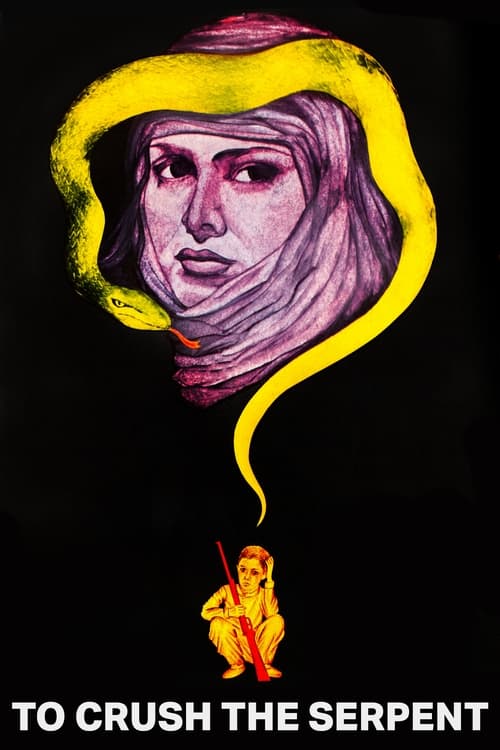
Türkan Şoray’s direction centers on the tension between individual desire and rigid social hierarchies. The film deconstructs the perceived morality of traditional institutions, framing them as volatile forces capable of extreme cruelty. By focusing on Esme’s struggle against communal justice, the work challenges conventional expectations of harmony. It highlights how collective social structures can become instruments of oppression against the individual. While the film excels in cultural critique and gender subversion, it remains limited by its traditional romantic framework and lack of diverse identity representation.
Category Breakdown
The film does not include any explicit queer narratives or non-cisgender identities. The main conflict revolves around a traditional romantic relationship.
Esme plays a central role, significantly influencing the men around her. The story challenges patriarchal authority by showing how communal structures can lead to systemic violence.
The film offers a nuanced look at Turkish village life. It avoids monolithic portrayals by focusing on the tension between personal identity and communal law.
The narrative provides a sophisticated critique of traditional institutions. It portrays the village as an oppressive force that prioritizes communal dogma over individual morality.
There is no evidence regarding the portrayal of physical or neurodivergent disabilities within the film.
Present on Screen
Limited or Absent
Official Synopsis
Esme, the most beautiful woman in her village, is in love with Abbas, the valiant young man of the village, but she is married to the village lord Halim. When Abbas kills Halim, the people of the village lynch Esme and pressures Esme's son to kill her.
2011
1960

2007
2006
1985
1969

1968
1972
No reviews yet. Be the first to share your thoughts on this movie!
Use the rating form above to leave a star rating and optional review.