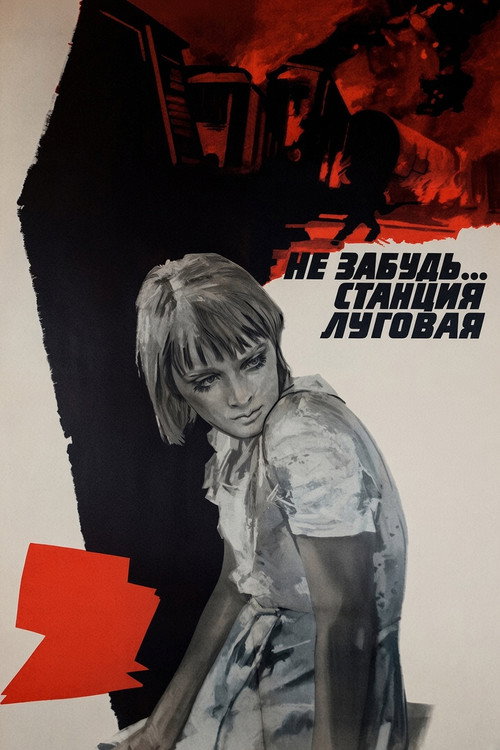
Don't Forget... Lugovaya Station
1966
No user ratings available yet
Representation score: 2.7 out of 10

Representation Score
Limited
1939
Director
Léonide Moguy
Runtime
85 minutes
Average Rating
No ratings yetNew Showbiz Analysis
The Deserter is a character study that prioritizes individual conscience over state-mandated duty. It succeeds in deconstructing patriotic obligation by framing desertion as a complex moral choice rather than simple cowardice. However, the film remains limited by the era's demographic norms. It lacks representation for LGBTQ+ individuals, people with disabilities, and diverse racial groups, reflecting a homogeneous period setting. Ultimately, the film's strength lies in its thematic subversion of traditional power structures rather than its demographic breadth.
Category Breakdown
The film focuses solely on traditional family and romantic structures. It does not depict any queer identities or non-cisgender narratives.
The story centers around a male protagonist's struggle against military authority. While it avoids traditional stoic masculinity, it lacks significant female-driven plot arcs.
Set in rural France during the early 20th century, the film reflects the demographic homogeneity of the time. No non-white or multi-layered characters appear in prominent roles.
The narrative offers a progressive critique of institutional authority. It frames desertion as a moral dilemma, challenging the absolute power of the state and military.
The narrative arc and character studies contain no depictions of physical or neurodivergent disabilities.
Present on Screen
Limited or Absent
Official Synopsis
During WW1, a train is stopped by a bombing, a young soldier takes advantage of the opportunity to go to his native village to connect with his love and his family. As WW2 began in the real world, this film was rereleased later in ‘39 under the revised title Je t'attendrai (I Will Wait for You).
1966

1957

1928

1932

1953

1958

1933

1940
No reviews yet. Be the first to share your thoughts on this movie!
Use the rating form above to leave a star rating and optional review.